

Ever tried doing yoga in running shorts or spinning in cotton tees? It’s like using a butter knife for brain surgery. Your workout gear needs to match your movement.
Different activities demand different fabric superpowers. High-intensity sweat sessions need moisture-wicking materials, while yoga requires maximum flexibility. That marathon top might feel like a straitjacket in downward dog.
Research shows fit influences the skin-to-material interface, affecting everything from temperature control to performance. Tight versus loose, synthetic versus natural – each combination creates a different microclimate.
It’s not just about looking good (though let’s be honest, that helps). It’s about engineering your second skin to match your ambition. Your clothes should enhance your movement, not sabotage it.
So before you blame your form for that failed personal record, maybe check what you’re wearing first. The right gear can be the difference between struggling and soaring.
Sizing Charts Explained
Ever feel like you need a cryptography degree to decode activewear sizing? You’re not alone. The numbers game in performance wear is more complex than a Christopher Nolan plot twist.
Here’s the brutal truth: that medium in Brand A might fit like a small in Brand B. Vanity sizing has turned shopping into a psychological thriller where the only victim is your wallet.
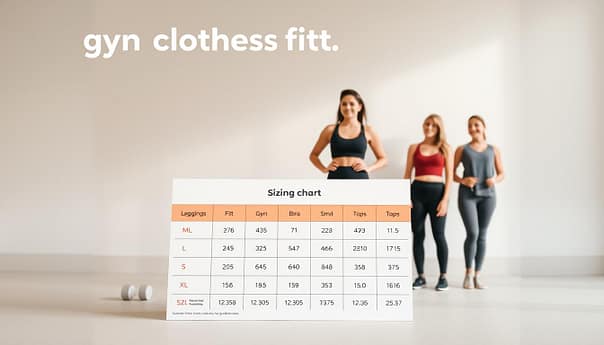
Why does this matter for your workout? Ill-fitting gym clothes become the antagonist in your fitness story. They ride up, pinch, and restrict movement like a villain monologuing at the worst possible moment.
The secret isn’t just measurements – it’s movement compatibility. Your clothes should perform like a well-choreographed action sequence, not a blooper reel.
| Measurement Type | How to Measure | Why It Matters | Common Mistakes |
|---|---|---|---|
| Waist | Natural waistline | Prevents rolling during bends | Measuring over clothes |
| Hips | Widest point | Affects squat mobility | Standing unevenly |
| Inseam | Inner leg length | Determines length for activities | Not accounting for shoes |
| Chest/Bust | Fullest area | Impacts arm movement | Holding tape too tight |
Numbers tell half the story. The real test happens when you move. Can you touch your toes without feeling like a stuffed sausage? Raise your arms without staging a fabric rebellion?
This is where finding the right activewear size becomes performance art. Too tight and you’ll have circulation issues worthy of a medical drama. Too loose and you’ll spend more time adjusting than exercising.
Pro tip: always do the “matrix test” – if you can’t dodge imaginary bullets (or just do burpees) comfortably, size appropriately. Your workout deserves better than a clothing conspiracy.
Fit Adjustments for Running, HIIT, Yoga, and More
Ever seen someone try yoga in running shorts? It’s like a penguin trying to fly. Each workout needs its own clothes, and it’s not just about looks. It’s about how well they work.
Running makes you like a mobile sprinkler. You need clothes that dry fast. Look for ones that are seamless and well-ventilated. They should feel like a second skin, not wet.

HIIT makes you hot. Clothes with mesh panels help keep you cool. Four-way stretch fabrics let you move freely. Your clothes should handle heat like a pro diplomat handles crises.
Yoga needs clothes that move with you. Look for soft, stretchy fabrics. The best fit activewear for yoga feels like it’s not there at all.
Weightlifting needs clothes that support you. Look for fabrics that give feedback without cutting off blood flow. It’s like having a built-in spotter.
| Activity | Fit Priority | Fabric Technology | Key Feature |
|---|---|---|---|
| Running | Minimal friction | Moisture-wicking polyester | Seamless construction |
| HIIT | Maximum breathability | Four-way stretch mesh | Temperature regulation |
| Yoga | Unrestricted movement | Buttery-soft blends | Full range of motion |
| Weightlifting | Strategic compression | Supportive nylon-spandex | Muscle feedback |
| Outdoor Activities | Weather protection | Technical blends | Element resistance |
Outdoor workouts need clothes that keep you dry. Look for technical fabrics that block wind and rain. It’s like having a personal shield.
Finding the right workout clothes is key. It’s not about following trends. It’s about choosing clothes that work with your body and activity.
Remember, your workout clothes are tools, not just for looks. Choose them carefully. For more tips on building your activewear collection, check out our guide on what to wear to the gym.
The best fit activewear doesn’t just look good. It works with your body. That’s the difference between just dressing for exercise and really performing well.
Layering for Different Conditions
Your workout gear is like a team that controls your body’s temperature. The base layer, made of merino wool or polypropylene, helps move sweat away from your skin. This is key for keeping you cool and dry during exercise.
The mid layer keeps you warm without making you too hot. It’s all about finding the perfect balance of warmth. This balance helps you stay comfortable and perform well.
The outer layer protects you from wind and rain. It also lets your skin breathe. This combination creates a personal climate that changes as you exercise. You can adjust the layers to match your body’s needs.
Getting the right activewear fit for workouts means you’re in control of your environment. You create the perfect conditions for yourself. The right layers not only protect you but also enhance your workout.