
Activewear Fabric Guide: Sweat-Wicking, Compression & Performance Materials
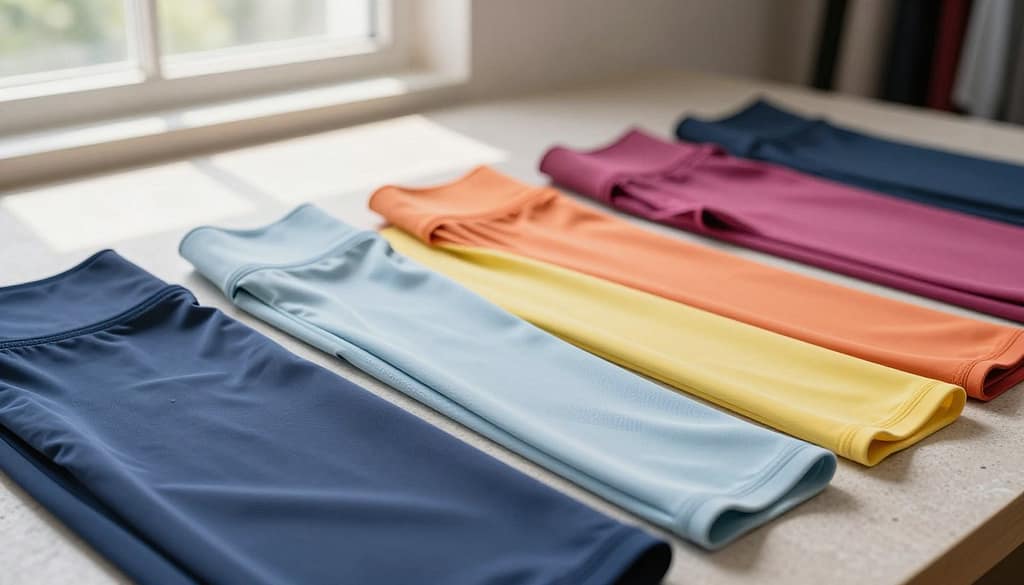
Modern workout clothing is engineered using advanced fabric blends designed to improve comfort, durability, and performance during exercise. The materials used in activewear affect how garments stretch, manage sweat, regulate temperature, and recover their shape after repeated use.
Understanding how these fabrics work helps athletes choose clothing that performs better during training and lasts longer over time.
This guide explains the science behind activewear fabrics, including moisture-wicking technology, compression materials, breathability, and the most common fiber blends used in leggings, sports bras, and workout tops.
Why Fabric Matters in Activewear
During physical activity, the body generates heat and sweat. Clothing must manage moisture, allow airflow, and stretch with movement while maintaining structural integrity.
High-quality activewear fabrics are designed to:
- move sweat away from the skin
- provide stretch without losing shape
- remain breathable during workouts
- maintain durability through repeated washing
Fabric composition is one of the most important factors determining how comfortable and long-lasting workout clothing will be.
Common Fabrics Used in Activewear
Most activewear is made from blends of synthetic fibers designed for performance.
| Fabric | Key Characteristics | Common Use |
|---|---|---|
| Nylon | Soft feel, durable, flexible | Premium leggings, sports bras |
| Polyester | Moisture resistant, lightweight | Running gear, gym shirts |
| Spandex (Elastane) | Extreme stretch and recovery | Compression clothing |
| Polyamide | Lightweight and breathable | Performance athletic wear |
Blending these materials allows manufacturers to combine stretch, durability, and sweat management in a single garment.
Sweat-Wicking Fabric Technology
Sweat-wicking fabrics are designed to pull moisture away from the skin and move it to the outer layer of the garment, where it can evaporate more easily.
This process helps keep the body cooler and reduces the discomfort of damp clothing during workouts.
Moisture management depends on:
- fiber structure
- fabric weave
- surface treatments applied during manufacturing
Polyester and nylon blends are commonly used because they resist moisture absorption while promoting evaporation.
Breathability vs Compression
Activewear fabrics must balance airflow and support.
Breathable fabrics allow heat to escape and improve comfort during long workouts, while compression fabrics provide muscle support and reduce excessive movement.
| Fabric Feature | Benefit |
|---|---|
| Breathable weaves | Better airflow during workouts |
| Compression fibers | Increased muscle support |
| Lightweight blends | Improved mobility |
Athletes often choose different fabrics depending on workout intensity and environmental conditions.
Fabric Stretch and Recovery
Stretch performance is largely controlled by spandex (elastane) fibers blended into the fabric.
Stretch fabrics must be able to:
- expand during movement
- recover their original shape afterward
- maintain elasticity through repeated washing
Garments with poor stretch recovery can become loose, saggy, or uncomfortable after frequent use.
Anti-Odor and Antimicrobial Fabrics
Some modern activewear includes treatments designed to reduce odor buildup.
These technologies may include:
- antimicrobial fabric treatments
- silver-infused fibers
- moisture-control coatings
While these treatments can help reduce odor, proper washing practices remain the most effective method of maintaining freshness in workout clothing.
Fabric Weight and Performance
Activewear fabrics vary in thickness and density depending on their intended use.
| Fabric Weight | Best Use |
|---|---|
| Lightweight | Running, hot weather workouts |
| Midweight | General gym training |
| Heavyweight | Cold-weather workouts |
Choosing the right fabric weight helps maintain comfort in different environments.
Related Fabric Guides
-
Responsible Cotton And Under Armour’s Step

Responsible Cotton gets a clearer test as Under Armour joins the U.S. Cotton Trust Protocol and plans tracked tees for Fall 2026.
-
Microplastic Shedding In Activewear Fabrics
Microplastic shedding from activewear can happen in washes and dry wear. Recent textile research points to cautious fabric and fit choices.
-
PFAS Activewear Regulations: State Impacts
PFAS Activewear Regulations affect fabrics, labels, and deadlines for brands and shoppers as states restrict intentionally added PFAS.
-
PFAS Activewear Safety After Texas Probe
PFAS Activewear Safety faces sharper scrutiny after Texas examined Lululemon claims, with apparel standards still uneven.
-
Recycled Fabrics in Activewear: Real Impact
Recycled fabrics are changing activewear, but labels, feedstocks, fit, and wash durability still deserve careful consumer review.
-
How Recyclable Yarns Shape Activewear Impact
Recyclable Yarns may lower activewear’s material impact, but performance, durability, and real recycling access still shape the result.

Choosing Fabric for Different Workouts
Different training styles benefit from different fabric properties.
| Workout | Recommended Fabric Features |
|---|---|
| Running | Lightweight, moisture-wicking |
| Yoga | Soft stretch fabrics |
| Strength training | Durable compression blends |
| HIIT | Breathable moisture-control fabrics |
Selecting the appropriate fabric type improves comfort and performance during exercise.
Activewear Fabric Guide Summary
The fabrics used in activewear are engineered to support movement, manage sweat, and maintain durability during repeated use. Understanding how materials such as nylon, polyester, and spandex behave makes it easier to select workout clothing suited to different types of training.
By combining breathable construction, effective moisture management, and proper care techniques, athletes can maximize both comfort and longevity in their workout gear.