
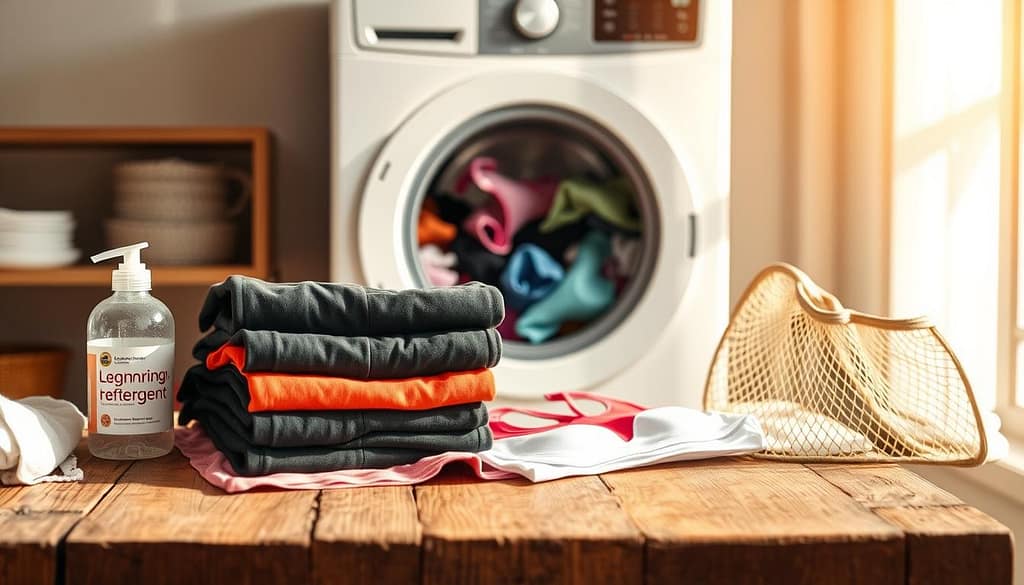
How to Wash & Care for Activewear
Workout clothing is designed to stretch, manage moisture, and support movement during exercise. However, sweat, friction, and repeated washing can gradually break down performance fabrics if garments are not cared for properly.
Activewear often contains specialized fibers such as nylon, polyester, and spandex blends that require different washing and drying methods compared to standard clothing.
This guide explains how to wash, dry, and maintain activewear so leggings, sports bras, and workout clothing maintain their elasticity, breathability, and durability over time.
Why Activewear Requires Special Care
Workout clothing is exposed to sweat, body oils, and constant movement during exercise. These factors can weaken elastic fibers and cause odor buildup in performance fabrics.
Proper care helps maintain the features that make activewear effective, including:
- moisture-wicking performance
- fabric stretch and elasticity
- durability during workouts
- odor resistance
Without proper washing practices, sweat residue and detergent buildup can damage fabric performance.
How Sweat Affects Performance Fabrics
Sweat itself does not damage clothing, but the combination of moisture, bacteria, and repeated washing cycles can affect synthetic fibers.
Common problems caused by improper washing include:
- lingering odor in fabrics
- stretched elastic fibers
- reduced moisture-wicking performance
- fading or fabric wear
Understanding how to clean activewear properly helps preserve these fabrics over time.
How to Wash Activewear Properly
Following proper washing steps helps maintain the elasticity and durability of workout clothing.
Recommended washing steps include:
- Turn garments inside out before washing.
- Wash with cold water to protect elastic fibers.
- Use mild detergent designed for performance fabrics.
- Avoid fabric softeners, which can block moisture-wicking fibers.
- Wash activewear separately from heavy fabrics such as towels.
These practices help remove sweat and bacteria without damaging the materials.
Best Detergents for Activewear
Detergents formulated for synthetic fabrics help remove odor while protecting moisture-wicking fibers.
Key features to look for include:
- residue-free formulas
- odor-neutralizing ingredients
- compatibility with synthetic fabrics
Using the right detergent helps prevent buildup that can reduce breathability in activewear fabrics.
Drying Activewear Safely
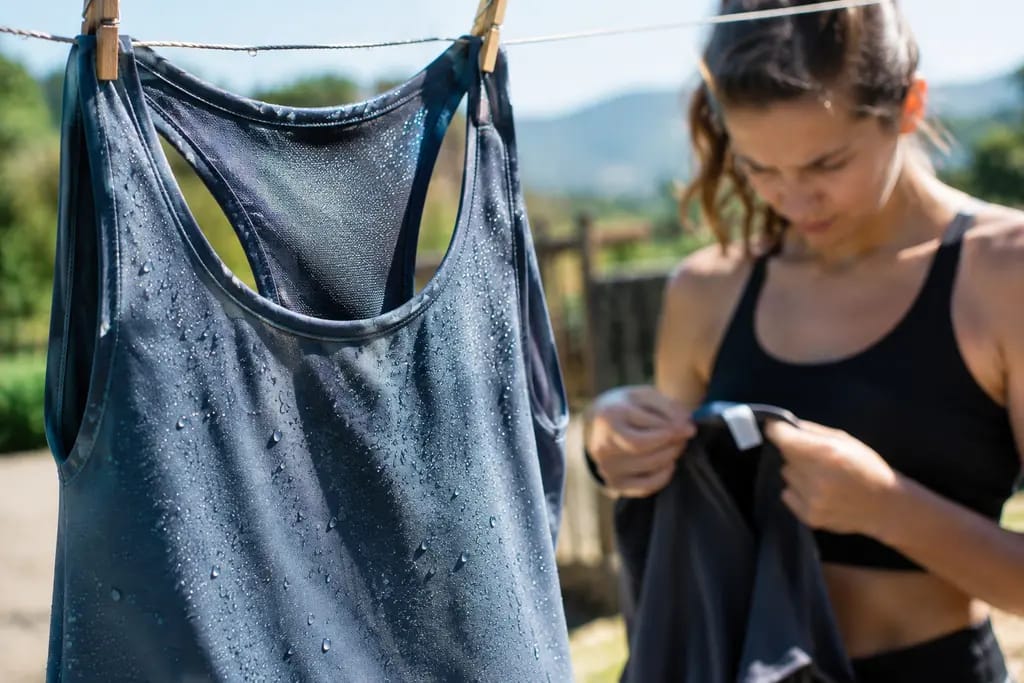
Heat can damage elastic fibers such as spandex and elastane. High dryer temperatures may cause garments to lose their stretch over time.
The safest drying methods include:
- air drying workout clothing
- using low heat if a dryer is necessary
- avoiding prolonged high heat cycles
Allowing activewear to air dry helps preserve elasticity and fabric structure.
Preventing Odor in Workout Clothes
Odor buildup occurs when sweat bacteria become trapped in synthetic fibers.
Helpful strategies include:
- washing activewear soon after workouts
- avoiding leaving damp clothing in gym bags
- using detergents designed to remove odor-causing bacteria
Regular washing and proper drying reduce the chance of odor lingering in fabrics.
Extending the Lifespan of Activewear
Workout clothing experiences more stress than everyday garments. Proper care can significantly extend the lifespan of leggings, sports bras, and training apparel.
Factors that influence durability include:
- washing temperature
- detergent selection
- drying methods
- frequency of use
By following proper care routines, activewear can maintain both performance and comfort for a longer period.
Related Activewear Care Guides
-
Renewable Energy Initiatives at S&S Activewear

Renewable energy initiatives at S&S Activewear show how solar, waste reduction, and distribution choices affect activewear sourcing.
-
Sustainable Activewear Filters At S+S Activewear
Sustainable Activewear Filters can help compare fibers, certifications, care labels, and fit signals without treating claims as proof.
-
PFAS Activewear Safety After Recent Tests
PFAS Activewear Safety is shifting as textile tests and state rules raise sharper questions about finishes, wear, labels, and care.
-
Activewear Safety Laws And Fabric Awareness
Activewear safety laws are changing PFAS disclosure, textile responsibility, and shopper questions about workout clothing claims.
-
PFAS Activewear Labels And Textile Rules
PFAS Activewear Labels are changing as states restrict textile finishes. Learn how care tags, certificates, and buyer questions fit together.
-
S&S Activewear Filters For Sustainable Choices
S&S Activewear Filters help shoppers compare responsible materials, manufacturing labels, fabric treatments, and activewear care needs.


Fabric Care and Performance Materials
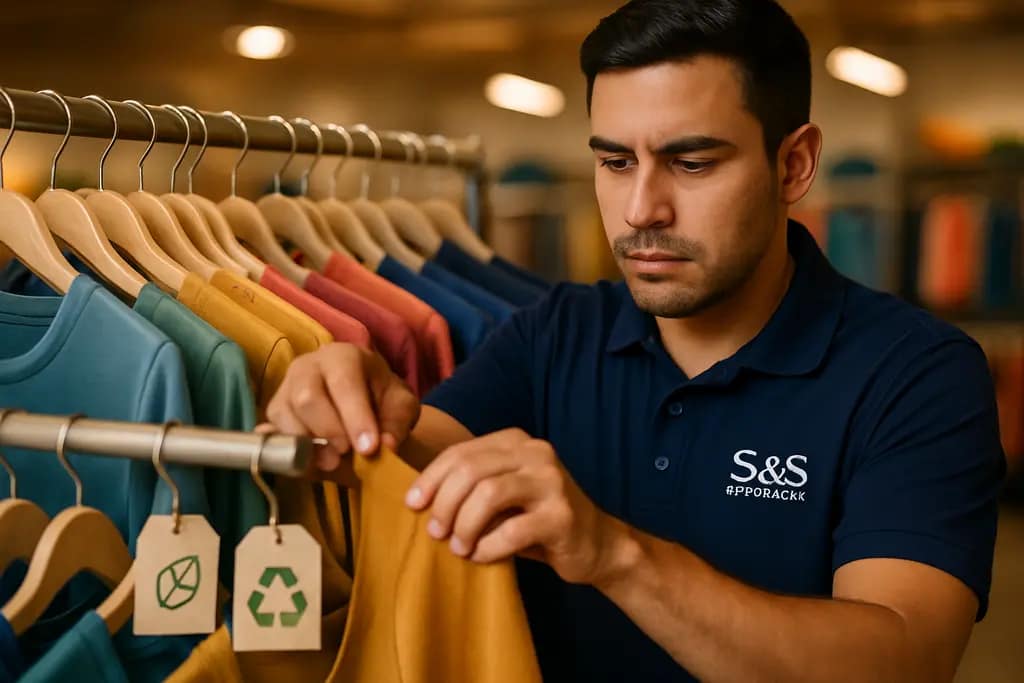
Proper washing practices are closely connected to the types of fabrics used in activewear.
-
Breathable Workout Fabrics For HIIT Leggings
Breathable workout fabrics may improve comfort in high-intensity leggings, but fabric structure, fit, and activity type still matter.
-
Renewable Energy Initiatives at S&S Activewear
Renewable energy initiatives at S&S Activewear show how solar, waste reduction, and distribution choices affect activewear sourcing.
-
Ethical Labor Standards In Activewear Fabric
How ethical labor standards connect to sustainable activewear fabrics, factory audits, support design, and practical buyer questions.
Caring for Specific Types of Activewear
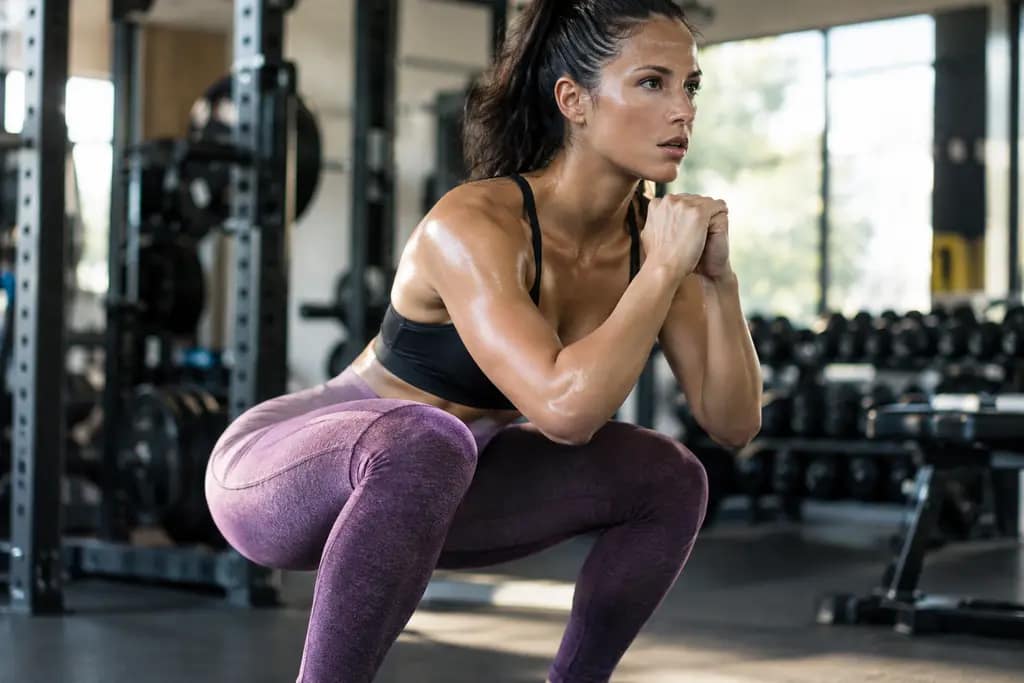
Different garments may require slightly different care practices.
| Garment | Care Consideration |
|---|---|
| Leggings | Protect stretch fibers during washing |
| Sports bras | Maintain elastic band strength |
| Running shirts | Preserve moisture-wicking performance |
| Compression clothing | Avoid heat that damages elasticity |
Following these guidelines helps preserve both fit and performance.
Activewear Care Guide Summary
Activewear fabrics are engineered to support movement, manage moisture, and remain comfortable during exercise. Proper washing and drying practices help maintain these properties over time.
By understanding how performance fabrics behave and adopting effective care routines, athletes can extend the lifespan of their workout clothing while maintaining comfort and durability.