

Modern activewear represents a significant financial investment, driven by the highly engineered textiles used in its construction. The foundation of these garments relies on synthetic polymers like elastane, Lycra, and spandex, which provide both compression and flexibility. However, these microscopic fibers are inherently fragile when exposed to standard laundering practices. Understanding the chemical and physical vulnerabilities of performance fabrics is essential for preserving their structural integrity. By learning how to wash performance fabrics, you can significantly extend the lifespan of your athletic wardrobe and prevent the dreaded sagging or loss of shape.
Understanding Elastane and Polymer Degradation
To properly care for performance apparel, one must first understand its material composition. Spandex and elastane are synthetic polyurethanes characterized by their exceptional elasticity. These fibers consist of rigid and flexible polymer segments that allow the material to stretch up to 600% and return to its original shape.
Unfortunately, this molecular structure is highly susceptible to environmental stressors. When subjected to extreme heat, harsh chemical surfactants, or excessive mechanical friction, the flexible segments within the polymer chain begin to break down. Consequently, the fabric loses its ability to rebound, resulting in a permanent loss of tension. This structural degradation is irreversible, making preventative care the only effective strategy for maintaining garment elasticity.
The Thermal Threat: Why Cold Water is Non-Negotiable
The most common catalyst for elasticity loss is thermal damage. Traditional laundry logic dictates that hot water is necessary for sanitizing heavily soiled clothing. However, when dealing with synthetic athletic wear, hot water actively melts the delicate elastane fibers.
Therefore, cold water washing is a non-negotiable rule. Keeping the water temperature below 30°C (86°F) prevents the polymer bonds from weakening during the wash cycle. Furthermore, cold water is entirely sufficient for removing sweat and surface bacteria when paired with modern, enzyme-based detergents. According to textile experts detailing the best practices for washing synthetic activewear, lowering the wash temperature is the single most effective way to prevent premature fabric aging and maintain compressive strength.
Chemical Agitators: Detergents and Fabric Softeners
Beyond temperature, the chemical environment inside your washing machine plays a critical role in fabric longevity. Standard heavy-duty detergents often contain harsh bleaching agents and high pH levels that can erode synthetic fibers over time. Instead, utilizing a mild, sport-specific detergent formulated with enzymes targets protein-based stains (like sweat and body oils) without degrading the polyurethane core of the fabric.
Equally important is the absolute prohibition of liquid fabric softeners. These products operate by coating textile fibers in a waxy, lipid-based residue to create a softer tactile feel. In the context of performance wear, this coating clogs the micro-pores responsible for moisture-wicking and breathability. Moreover, the chemical residue breaks down elastane, leading to a rapid loss of stretch. Eliminating fabric softeners from your routine is paramount for keeping high-performance gear functional.
Mitigating Mechanical Stress During the Wash Cycle
Even in a cold, chemically balanced wash, mechanical friction poses a significant threat to elasticity. The agitation cycle of a standard washing machine pulls, twists, and stretches heavy, water-logged garments. Over time, this repetitive mechanical stress forces the elastane fibers past their natural recovery point.
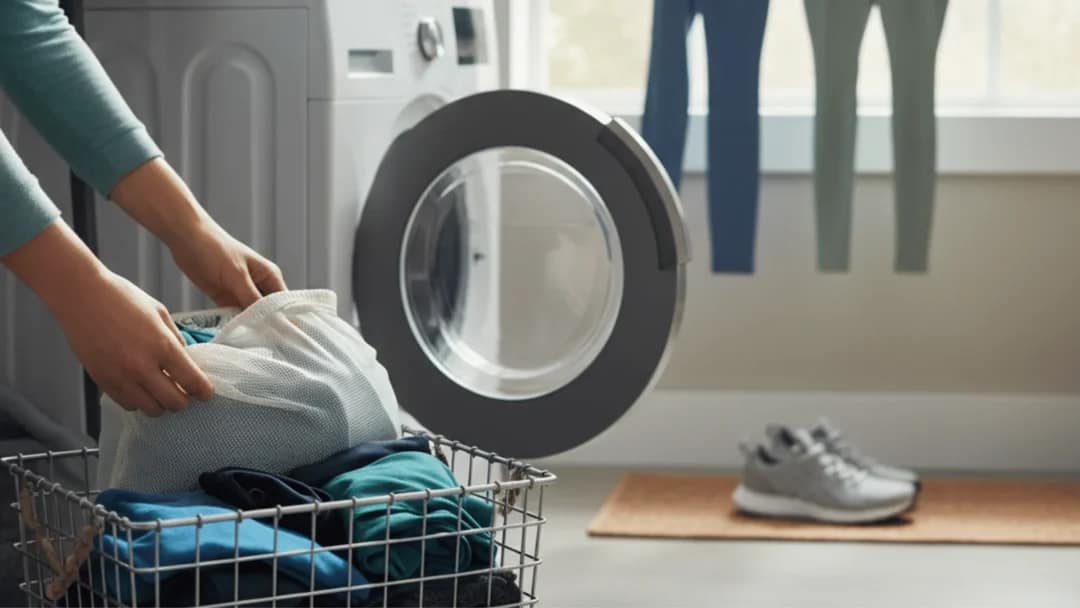
To combat this, adjusting the machine settings is vital. Selecting the delicate or hand-wash cycle drastically reduces the spin speed and aggressive agitation. Additionally, isolating your activewear in mesh laundry bags provides a physical barrier against friction. This simple step prevents delicate leggings and sports bras from wrapping around heavier items, such as denim or towels, which act like sandpaper against synthetic blends.
Best Practices for Long-Term Fabric Integrity
To synthesize the optimal laundering strategy for high-stretch garments, it is helpful to contrast damaging habits with their protective alternatives. The following table outlines the core parameters required to maintain the structural integrity of your performance wear.
| Laundering Variable | Damaging Practice (Avoid) | Protective Practice (Adopt) |
| Water Temperature | Hot or warm water (above 30°C) | Cold water exclusively |
| Detergent Type | Heavy-duty, bleach-based detergents | Mild, enzyme-based sport detergents |
| Additives | Liquid fabric softeners and dryer sheets | White vinegar (for odor neutralization) |
| Machine Settings | Heavy soil, high spin cycle | Delicate cycle, low spin speed |
| Drying Method | Machine tumble drying | Flat air-drying in a shaded area |
The Final Step: Avoiding the Tumble Dryer
The preservation process does not end when the wash cycle completes. In fact, the most severe thermal damage often occurs in the dryer. The intense, concentrated heat of a tumble dryer literally bakes the elastane, destroying its elasticity in a matter of minutes. Furthermore, the tumbling motion causes intense friction, leading to micro-tears in the fabric and accelerated pilling.
Air-drying is the only acceptable method for performance apparel. Laying the garments flat on a drying rack prevents the weight of the wet fabric from stretching the material downward. By integrating these precise, science-backed steps into your routine, you protect your investment. For a deeper dive into extending the life of your specific athletic garments, explore our comprehensive activewear care guide, which details advanced techniques for stain removal and seasonal storage.