

You pull on your favorite pair of compression leggings. The waistband feels loose. The knees sag. The material no longer snaps back against your skin. Many athletes blame themselves, assuming their body composition shifted. The reality points directly to material failure. Your expensive workout gear is experiencing structural spandex degradation. Implementing proper spandex care prevents this breakdown and extends the life of your performance apparel.
The Mechanics of Elastane
Spandex, known technically as elastane, is a synthetic polyurethane block copolymer. Textile engineers design this material with rigid and flexible segments. The flexible segments stretch under kinetic load. The rigid segments provide the structural memory, pulling the fabric back to its original resting state.
External stressors attack these molecular bonds daily. Extreme heat, friction, and harsh chemicals break the rigid segments. The fabric loses its tension memory. Clinical analysis of polyurethane fiber mechanics proves these broken bonds never repair themselves. The damage is permanent. When you purchase premium athletic wear, you pay for this exact engineering. You lose all biomechanical advantages the moment the elastane degrades.
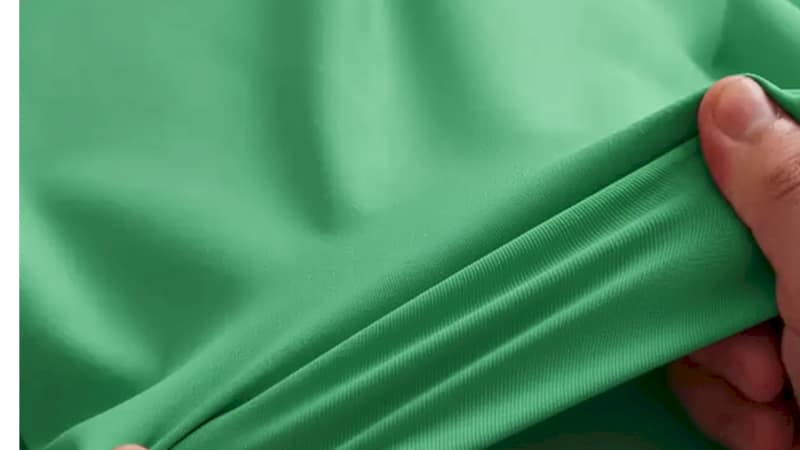
Heat Damage in the Laundry Room
Heat acts as the primary destroyer of synthetic stretch. High water temperatures during the wash cycle soften the polyurethane threads. The tumbling action of the washing machine stretches these weakened fibers past their breaking point.
The tumble dryer inflicts even worse damage. Concentrated dry heat bakes the elastane. The microscopic threads become brittle and snap. You can often see this damage with the naked eye. Tiny, white, frizzy hairs poke through the seams of your leggings. That is the physical remains of broken spandex. Moving forward, cold water and air drying must become the foundation of your activewear care routines.
The Threat of Body Oils
Human sweat carries heavy concentrations of lipids and sebum. Oleophilic synthetic fibers naturally attract and trap these body oils. Left untreated, trapped lipids slowly dissolve the polyurethane bonds from the inside out.
Many people respond to dirty gym clothes by using heavy-duty laundry detergents. Harsh bleaches and high-pH surfactants chemically erode the spandex. Fabric softeners compound the problem. They coat the garment in a waxy lipid barrier. This traps the bacteria and oils against the vulnerable elastane, accelerating the decay. Testing consistently shows mild, enzyme-based sport detergents preserve tension best.
What Causes Elastane Failure
Recognizing the signs of material degradation helps you audit your athletic wardrobe. The following table identifies common structural failures and their direct causes.
| Visual Symptom | Cause | How to Prevent |
| White fibers poking through seams | Tumble dryer heat snapping brittle elastane | Always air dry flat in the shade |
| Rippled or bacon-neck waistbands | Hot water washing relaxing the rigid polymers | Wash exclusively in cold water |
| Baggy knees or sagging glutes | Embedded body oils dissolving the fiber core | Use enzyme-based sport detergents |
| Pilling between the thighs | Chemical softeners increasing surface friction | Eliminate fabric softeners completely |
Protecting your athletic wear requires treating the fabric as engineered equipment. Eliminating heat and harsh chemicals preserves the elasticity. Your gear retains its compressive fit, supporting your biomechanics workout after workout.