

Gender-neutral activewear is moving from a niche style idea into a practical design question for leggings and bottoms. The shift is not only about removing gendered labels from product pages. It asks whether waistbands, rises, inseams, compression levels, pockets, fabric recovery, and size charts can serve more bodies without assuming one narrow shape or one workout setting.
That does not mean every pair of leggings can work equally well for every person. A bottom designed for deep studio movement may not feel the same during interval training, travel, or all-day wear. The useful trend is more specific: inclusive design is pressuring brands to make fit systems clearer, silhouettes less restrictive, and fabric choices easier to match with real activity demands.
Why Gender-Neutral Activewear Is Moving Into Bottoms
Gender-Neutral Activewear Starts With Fit Data
Leggings and bottoms expose the limits of a simple unisex label. A T-shirt can rely on a relaxed block more easily than a compression legging can. Bottoms have to manage waistband pressure, hip and thigh stretch, inseam length, rise, and opacity during bending. For gender-neutral activewear to feel credible, the pattern work has to move beyond resizing one traditional fit block.
Market data suggests that the demand signal is real, though the exact size depends on how each report defines inclusive athleisure. In North America during 2025, inclusive athleisure, including gender-neutral, extended plus-size, petite, and modest wear, accounted for about USD 6.8 billion and roughly 36.9% of global inclusive athleisure revenue, according to the inclusive athleisure market report. The same report said inclusive sizing SKUs rose by about 38% between 2022 and 2025 across U.S. retail channels.
Market Signals Are Strong But Not Complete
Those figures are useful, but they should be read with caution. Market reports group different needs together: gender-neutral design, plus sizing, petite fit, and modest activewear do not solve the same design problems. A wider size range may still rely on a gendered silhouette. A modest bottom may improve coverage but still miss inseam or rise needs. A neutral color palette may look inclusive while the pattern remains narrow.
The future of bottoms is likely to be shaped by how brands handle those distinctions. A better product page would explain rise, compression level, stretch direction, inseam options, opacity notes, and intended activities. Related fit reporting on inclusive activewear fit has also pointed to the value of fabric-specific charts rather than generic size labels.
Design Details Shaping Leggings And Bottoms
Waistbands, Rise, And Adjustability
The most visible design changes in inclusive bottoms are likely to sit at the waist and hem. Adjustable waistbands, drawcords, flexible cuffs, and less body-contoured patterning can make one style work across more torso lengths and waist-to-hip ratios. These features also let a wearer decide whether the garment should sit high, mid, or lower depending on movement and comfort preference.
That flexibility has tradeoffs. A smooth compression waistband may feel stable during squats or running drills, while an adjustable waistband may add bulk or pressure points. A relaxed jogger can feel easier for travel and warmups, but loose fabric may be less suitable around some gym equipment. Design inclusivity is not the removal of structure; it is the placement of structure where it helps without forcing one body assumption.
Fabric Choices Still Need Activity Context
Reports on athleisure growth show why brands are connecting inclusive styling with performance fabrics. Gender-neutral athleisure accounted for about 18% of premium product launches globally in 2024, while more than 62% of U.S. consumers were reported to prefer activewear that can move between workouts, office, and travel, according to the athleisure clothing market report. The same source reported that 58% prioritized comfort-focused clothing for daily wear and that roughly 57% of new athleisure collections in 2025 included sustainable fabrics.
For leggings and bottoms, that mix of comfort, versatility, and sustainability raises design questions rather than providing one answer. Recycled polyester, organic cotton blends, and other lower-impact material choices may appear in inclusive collections, but fiber type alone does not tell a shopper how a garment will stretch, dry, recover, or feel after repeated wear. Construction, fabric weight, knit structure, elastane content, and finishing all affect the wearing experience.
Inclusivity Beyond A Unisex Label
Size Range Is A Design System
Extended sizing is often discussed as a range of numbers, but in bottoms it is a system of grading decisions. As sizes increase or decrease, a brand has to decide how waist circumference, thigh room, rise, knee position, calf width, and inseam change. If those changes are not tested across more body types, a larger label may still fit poorly.
This is where inclusive design becomes structural. Fit models, wearer trials, and pattern revisions matter because leggings have to move. A bottom that fits while standing may pull at the front rise during lunges, roll at the waistband while seated, or lose opacity in deep hip flexion. Gender labels do not solve those problems. Fit testing can at least reveal them before a product reaches shoppers.
Modesty, Petite Fit, And Body-Neutral Cuts
The 2025 inclusive athleisure segmentation reported by MarketIntelo also showed how broad the category has become: modest activewear made up the largest global sub-segment, followed by extended plus-size ranges and petite performance fit. Those categories overlap with gender expression for some shoppers, but they are not identical.
Modest bottoms may prioritize coverage, layering compatibility, and secure movement. Petite fits may need shorter rises and adjusted knee placement, not only shorter inseams. Body-neutral cuts may reduce traditional hip emphasis or avoid strongly gendered styling cues. Each path affects pattern engineering, fabric selection, and product photography. A brand can be inclusive in one of these areas while still having gaps in another.
For those who are comparing clothing choices with broader wellness education, an option in this network is the Trinity Bariatric Institute. While activewear content remains separate from medical decision-making, clothing can still support comfort and personal preferences in participation.
Care And Durability Questions For Inclusive Bottoms
Laundering Stretch Fabrics
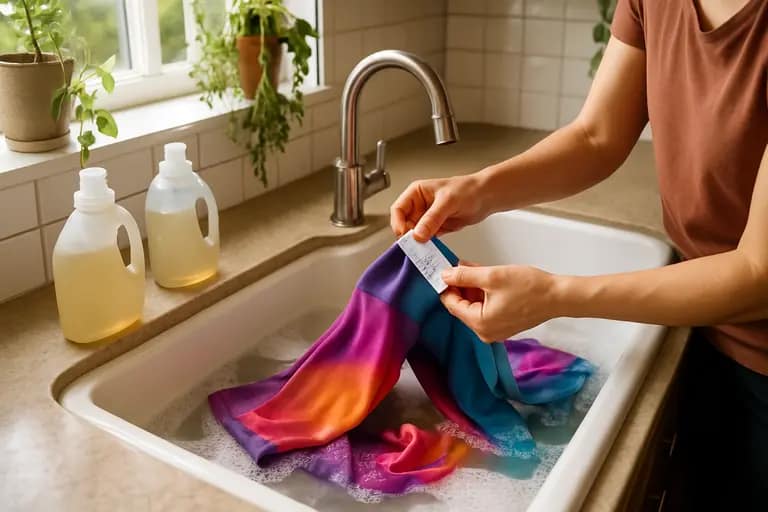
As inclusive bottoms add adjustable components, stretch blends, and varied fabric weights, care instructions become more important. A garment with toggles, zippers, drawcords, or mixed panels may need different handling than a plain cotton jogger. The safest starting point is the care label, especially for stretch fabrics that rely on recovery to maintain fit.
From a fabric-care perspective, the practical questions are simple. Does the waistband return after washing? Do the knees bag out? Does the fabric pill where thighs touch or where a gym bag rubs? Do drawcords twist or shrink? Does a darker color show lint more strongly after laundering? These are not minor details for inclusive design, because a wider fit promise means little if the garment changes shape quickly.
Durability also affects cost per wear. A lower-priced bottom that loses recovery after a few wash cycles may be less useful than a more expensive garment that stays wearable longer. The available research notes raw material cost volatility as a challenge for manufacturers, so shoppers may see brands balancing price, sustainable material claims, and performance features in different ways. Claims about odor control, moisture management, or compression should be read as product claims rather than guaranteed outcomes for every wearer.
Fit Checks Before Keeping A Pair
A cautious fitting-room test can reveal more than a product label. Try a squat, a seated position, a lunge, a forward fold, and a few steps at normal pace. Check whether the waistband rolls, whether the front rise pulls, whether the fabric becomes sheer, and whether pockets distort the fit. For joggers or wider-leg bottoms, check whether the hem and fabric volume suit the activity you plan to do.
- For studio work, prioritize stretch, coverage in deep flexion, and low-distraction seams.
- For higher-sweat training, look for moisture movement, secure fit, and fabric that does not feel heavy when damp.
- For travel or daily wear, consider waistband comfort, pocket placement, and how the fabric looks after sitting.
- For shared or body-neutral styling, review actual garment measurements instead of relying only on gender categories.
Gender-Neutral Activewear Design Takeaways
What Shoppers Can Ask Before Buying
The future of gender-neutral activewear in leggings and bottoms is less about making every product shapeless and more about giving wearers better choices. The strongest inclusive designs will likely combine clearer measurements, multiple inseams, adjustable details, broader fit testing, and fabric descriptions that explain use cases without exaggeration.
For shoppers, the key question is not whether a bottom is marketed as inclusive. Ask what the garment actually does: how it stretches, where it compresses, how the waistband adjusts, which inseams are offered, how opaque it remains in motion, and how care may affect recovery. If tight clothing is associated with persistent pain, numbness, skin irritation, or symptoms that feel unusual, discuss those concerns with a qualified clinician rather than assuming a different fabric will answer the problem. Useful questions may include whether fit, skin sensitivity, activity type, pregnancy, medication, or another factor could be relevant.