

Leggings design innovations are no longer limited to a softer hand feel or a higher waistband. The market is reacting to shoppers who want bottoms that can move between training, errands, lounging, and more dressed styling without asking one fabric to solve every problem. That shift is visible in market forecasts, fabric choices, storage details, broader user segments, and a stronger push toward sustainability claims that still need careful reading.
The scale of the category explains why design details are receiving more attention. The global leggings market was valued at USD 40.51 billion in 2025 and was forecast to reach USD 45.38 billion in 2026, with a projected USD 58.12 billion by 2031, according to Mordor Intelligence market data. That growth does not prove every new waistband, pocket, or fabric blend is useful. It does show that brands have a financial reason to refine leggings and bottoms around narrower consumer preferences.
Why Leggings Design Innovations Are Accelerating
Market Growth Is Rewarding More Specific Products
The leggings category has moved beyond a basic black workout tight. In the 2025 data, polyester held 40.62 percent of material market share, while blended fabrics such as polyester, cotton, nylon, and elastane mixes were expected to grow faster through 2031. That points to a practical design direction: shoppers appear to be responding to materials that try to balance stretch, comfort, coverage, and regular wear.
Women represented about 70.3 percent of leggings revenue in 2025, but the men’s segment was projected to grow at about 7.21 percent annually from 2026 to 2031. That matters for patterning, inseam options, rise choices, and marketing language. A broader customer base makes a single fit block less convincing, especially in a bottoms category where waist, hip, thigh, and rise proportions vary widely.
Premium Growth Does Not Automatically Mean Better Fit
Mass-market leggings accounted for about 68.7 percent of sales in 2025, while premium and luxury leggings were forecast to grow at about 6.65 percent annually through 2031. Higher pricing may reflect materials, construction, branding, distribution, or design extras. It should not be read as automatic evidence that a pair will move better, last longer, or feel better on a specific body.
For shoppers, leggings design innovations are most useful when they solve a real fit or activity problem. A secure pocket can matter during walking or gym sessions. A different waistband shape may feel better for seated work or deep bending. A contour seam may improve how a garment sits on some bodies, while another wearer may find the same seam distracting. The claim is only meaningful after movement, sitting, stretching, and laundering.
Fabric Blends Are Replacing One-Fiber Thinking
Blends Reflect A Comfort And Performance Tradeoff
The market’s interest in blended fabrics is not surprising. Leggings need stretch recovery, opacity, softness, moisture handling, and shape retention. No single fiber name guarantees all of that. A polyester-heavy fabric may support durability and moisture movement in some constructions. Nylon can feel smooth in many activewear fabrics. Elastane can add stretch. Cotton can change hand feel and breathability, though it may also change drying behavior depending on the blend and knit.
The cautious way to read a fabric label is to treat it as a starting clue, not a full performance report. The percentages matter, but so do knit structure, fabric weight, dye process, brushing, finishing, and panel design. The research notes support the market direction toward blends, but they do not prove one specific blend is best for every workout or body type.
All-Day Utility Is Driving Material Choices
Recent activewear market research reported that shoppers have been responding to features such as true four-way stretch, moisture-wicking, squat-proof coverage, and flattering high-rise silhouettes among best-selling leggings, according to Colaro Sports findings. Those preferences make sense for garments worn across different settings, but each term needs scrutiny.
Four-way stretch should mean the fabric moves both lengthwise and widthwise, yet the experience can still vary by size and body shape. Moisture-wicking describes sweat movement through fabric; it does not mean a garment prevents sweat or always looks dry. Squat-proof coverage depends on color, fabric density, stretch level, sizing, and lighting. A high rise can feel secure for one wearer and restrictive for another.
Fit Features Are Becoming Product Differentiators
Pockets And Waistbands Are More Than Styling Details
Consumer expectations now include more utility than a plain legging once offered. The research notes identify secure side or back pockets, hidden waistband storage for keys or cards, contour seams, V-shaped waistbands, scrunch detailing, and shapewear-inspired contouring as design features brands are using. These details do not have equal value for every activity.
A side pocket may be useful for walking, commuting, or light gym use, but it can bounce if the fabric lacks recovery or if the pocket opening is too loose. A back waistband pocket may be less noticeable during standing activity, yet less comfortable during floor work. A V-shaped waistband can change the visual line of the waist and hips, but fit still depends on tension, rise depth, and how the waistband behaves during sitting and bending.
Construction Choices Need Movement Testing
Brands have also been using circular-knit and reduced-seam constructions to improve comfort and create a smoother feel. The research notes connect that direction with less friction, comfort, and durability. Even so, fewer stitched panels do not automatically mean a better product. Some wearers prefer a garment with more structured panels because it can control stretch placement more precisely.
A practical test is simple: squat, hinge, sit, lunge, and walk for several minutes before deciding whether the fit works. Check whether the waistband rolls, the knees bag out, the pocket pulls the side seam, or the front rise creates pressure. If a garment is promoted for training and all-day wear, it should feel acceptable in both movement and seated positions.
Sustainability Claims Are Moving Into Regulation
Sustainability and circularity are now part of leggings design discussions. The research notes state that brands are adopting recycled materials, mono-material or recyclable blends, recognized sourcing programs, and resale or repair programs. They also note that 95 percent of surveyed activewear brands in 2025 offered some type of resale or repair scheme. That suggests sustainability messaging has moved from a niche selling point into a common brand expectation.
Regulation is also changing the stakes. The EU’s Ecodesign for Sustainable Products Regulation was described in the research notes as requiring digital product passports by 2027, along with attention to recycled content, durability, and fibre-to-fibre recyclability. Textile extended producer-responsibility rules for EU member states were also identified as taking effect by April 2028 under Directive (EU) 2025/1892.
For shoppers outside the EU, these rules still matter because large brands often design global product systems. Digital product information, repair claims, recycling language, and durability testing may become more visible in product pages over time. The cautious point is that a recycled fiber claim is not the same as full circularity. A legging can contain recycled content and still be difficult to recycle if it uses mixed fibers, trims, dyes, or elastane-heavy construction.
Style Trends Are Changing What Leggings Need To Do
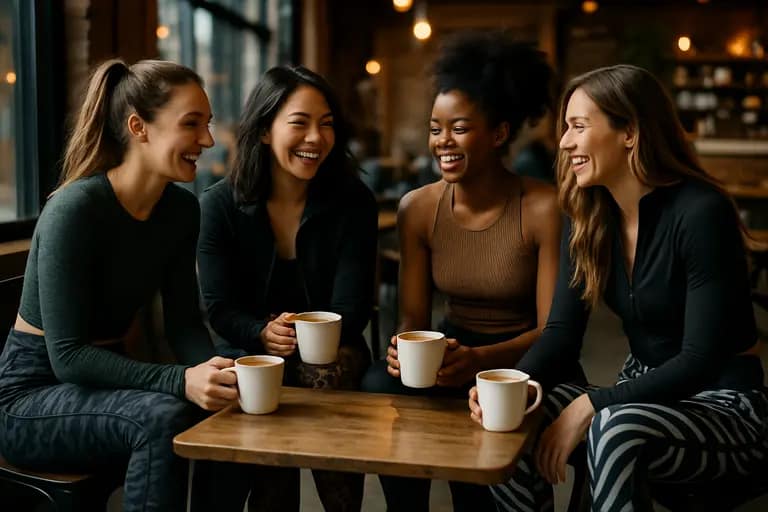
Performance is not the only design pressure. The research notes identify stirrup styles, bootcut legs, split hems, earthy tones such as chocolate brown, and more formal styling with boots or blazers as visible trends by mid-2026. This helps explain why leggings and bottoms are increasingly designed for public-facing outfits rather than only gym sessions or sofa wear.
That style shift changes technical expectations. A bootcut leg may need enough weight to drape cleanly. A split hem may need reinforcement to avoid distortion. Stirrup styles can keep fabric placed under the foot, but they also introduce questions about shoe pairing, arch comfort, and whether the strap feels distracting during long wear. For a related fit-focused discussion, see this analysis of leggings design trends.
Color also changes buying logic. Black remains practical for many users, but earthy tones can make opacity and sweat visibility more noticeable depending on fabric and lighting. A chocolate brown legging may feel more polished for casual styling, yet still needs the same stretch, recovery, and coverage checks as any training tight.
How To Read Leggings Design Innovations Before Buying
Leggings design innovations should be assessed by the problem they claim to solve. A pocket solves storage only if it holds an item securely. A high-rise waistband solves coverage only if it stays in place without rolling. A sculpting panel solves nothing if it limits motion or creates discomfort. A recycled fabric claim is useful information, but it should not distract from fit, durability, care instructions, and whether the garment suits the intended activity.
- For gym use, prioritize opacity, waistband stability, pocket security, and stretch recovery.
- For all-day wear, check seated comfort, waistband pressure, fabric warmth, and how the garment feels after several hours.
- For styling outside workouts, consider hem shape, fabric weight, color versatility, and whether the design still passes movement tests.
- For sustainability claims, look for specific material, repair, resale, or recyclability information rather than broad green language.
Readers comparing clothing choices with broader movement and community-wellness context may also find related resources at cpcwa.org. This site provides additional insights and data. Product pages can describe intended use, but they cannot account for every body, activity, or comfort preference.
Leggings Design Innovations And Fit Questions
The clearest pattern is that leggings design innovations are responding to a more demanding shopper. People want stretch without sheerness, storage without bulk, style without losing function, and sustainability claims that can withstand closer review. The market data supports growth, but growth alone does not validate every feature.
A cautious purchase strategy is to match the design to the main use case. A lounge-first legging does not need every training feature. A gym-first legging should not be judged only by how soft it feels on a hanger. A style-first split hem or stirrup silhouette may work well for outfits, while a simpler tight may be more practical for higher-movement sessions.
If leggings or bottoms cause persistent pain, numbness, skin irritation, or unusual symptoms, do not treat a different fabric as a medical fix. Consider asking a qualified clinician whether clothing pressure, skin sensitivity, activity choice, or another factor could be involved. That conversation can sit alongside fit testing, not replace it.