

For years, the dominant image of women’s activewear was easy to recognize: fitted leggings, a close-cut performance top and clothing designed primarily around what happened inside the gym or studio.
Athleta’s Fall 2026 assortment points toward a broader definition.
A USA TODAY Shopping feature published September 18, 2026 highlighted Athleta pieces built for everything from workouts and walking to travel, commuting, office settings and weekend plans. Rather than centering the seasonal assortment entirely around highly compressive gym clothing, the coverage emphasized relaxed joggers, lightweight jackets, soft layering pieces, dresses and fabrics designed to provide comfortable movement throughout an entire day.
That evolution matters beyond fashion. For people who exercise but do not necessarily want every piece of fitness clothing to be tight against the body, the growing range of silhouettes creates more opportunities to choose apparel according to activity, movement, temperature and personal comfort.
The shift does not mean leggings are disappearing. Instead, Fall 2026 illustrates how the activewear category is becoming less dependent on a single silhouette.
Athleta Is Treating Activewear As An All-Day Wardrobe
Athleta has increasingly positioned itself at the intersection of performance and lifestyle clothing.
On August 25, the Gap Inc. brand officially introduced its Fall 2026 “My World. My Rules.” campaign, featuring archer Sofia Napoli, martial artist and stuntwoman Jewelianna Ramos-Ortiz, and motorsport athlete Jordan Rand. Athleta described the campaign as an effort to broaden conventional ideas about women, strength and performance. Athleta’s Fall 2026 campaign reinforced the brand’s movement toward apparel that is connected to active life without being defined exclusively by traditional gym aesthetics.
The September 18 USA TODAY coverage makes that transition particularly visible at the product level.
Among the pieces highlighted were the Coaster Luxe High Rise Jogger, Sprint Finish Jacket, Dream Drape Long Sleeve Top and Featherweight Plissé Dress. Instead of creating a wardrobe where every item performs the same function, the assortment mixes clothing appropriate for movement with garments intended for layering, traveling, relaxing and everyday activities.
That distinction is important for consumers looking for workout clothes that remain comfortable after an exercise session ends.
A person might want a close-fitting garment for running or strength training but prefer a relaxed pant while walking, commuting or stretching. Another person may simply dislike strong compression altogether.
Neither preference is inherently better. Good activewear depends on what someone is doing and what feels comfortable on their body.
Relaxed Silhouettes Are Becoming Part Of The Activewear Vocabulary
One of the clearest Fall 2026 changes is the increasing visibility of alternatives to conventional leggings.
Earlier USA TODAY coverage of Athleta’s 2026 Pilates assortment highlighted barrel-leg pants, oversized button-downs, quarter-zips, wrap tops and skorts alongside conventional fitted workout clothing. A separate August 19 feature specifically described barrel-leg performance pants as an option for shoppers tired of traditional skin-tight leggings.
This does not make a loose silhouette more functional for every exercise. Running, cycling and some forms of strength training can benefit from apparel that stays close to the body and does not interfere with movement or equipment.
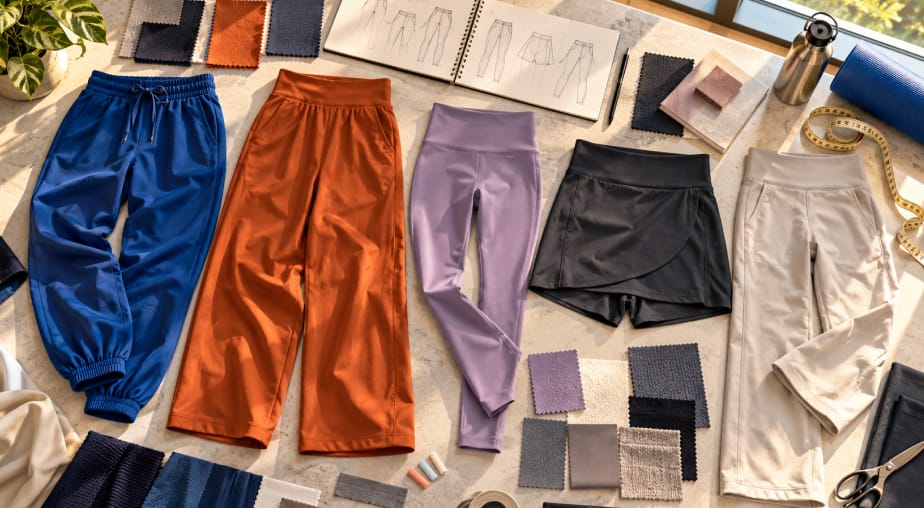
What is changing is the assumption that activewear has to look one particular way.
The expanded choice can be useful for people who want more coverage, less compression or clothing that transitions between activities without requiring an outfit change.
Athleta’s own current assortment supports that broader approach. Its website separates bottoms into categories including pants, leggings, joggers, sweatpants, shorts and skorts, while activity categories include running and training, yoga and Pilates, travel, hiking, tennis and golf.
For consumers, that makes activity-specific fit more useful than simply asking whether a garment is labeled “activewear.”
Fabric Still Matters More Than Whether Clothing Is Tight Or Loose
A looser garment is not automatically comfortable, just as fitted leggings are not automatically uncomfortable.
Fabric behavior remains central.
USA TODAY’s September coverage described Athleta’s Dream Drape Long Sleeve Top as using Tencel Modal, while the Coaster Luxe Jogger combined a relaxed silhouette with a brushed interior. Other Fall 2026 coverage highlighted the brand’s lightweight Featherweight Stretch material, engineered pleating, ribbed fabrics and breathable layers.
For clothing intended for actual exercise, moisture management and friction also deserve attention.
The American Academy of Dermatology’s workout-skin guidance notes that moisture-wicking materials can help move sweat away from the skin and that clothing which is excessively tight can contribute to rubbing and irritation for some people. The organization also recommends considering fit and fabric when trying to limit exercise-related skin irritation.
Athleta uses similar performance concepts within its dedicated running apparel. Its current running category describes lightweight, breathable fabrics, moisture management, ventilation and construction intended to minimize chafing.
The practical takeaway is that shoppers should look beyond whether clothing appears fitted or relaxed. Stretch recovery, seams, breathability, waistband construction, fabric weight and intended activity can all influence how a garment feels once the body starts moving.
Comfort Should Be Evaluated While Moving, Not Only In A Mirror
An activewear item can appear to fit perfectly while someone is standing still and behave very differently during squats, lunges, running or prolonged sitting.
Movement changes fabric tension.
A waistband can roll. A seam can migrate. A pant leg can ride upward. Material that initially feels soft may become uncomfortable when saturated with sweat.
That is why trying activewear through a few realistic movements can provide more useful information than judging the garment only by appearance.
For fitted bottoms, check whether the waistband stays in place without digging excessively into the body. Perform a squat, step forward into a lunge and sit down. Notice whether fabric begins pulling strongly toward a particular seam or whether you feel the need to repeatedly reposition the garment.
For relaxed pants or joggers, make sure additional fabric does not restrict stride length or interfere with equipment.
The goal is not achieving a particular silhouette. It is finding clothing that lets you move without repeatedly thinking about what you are wearing.
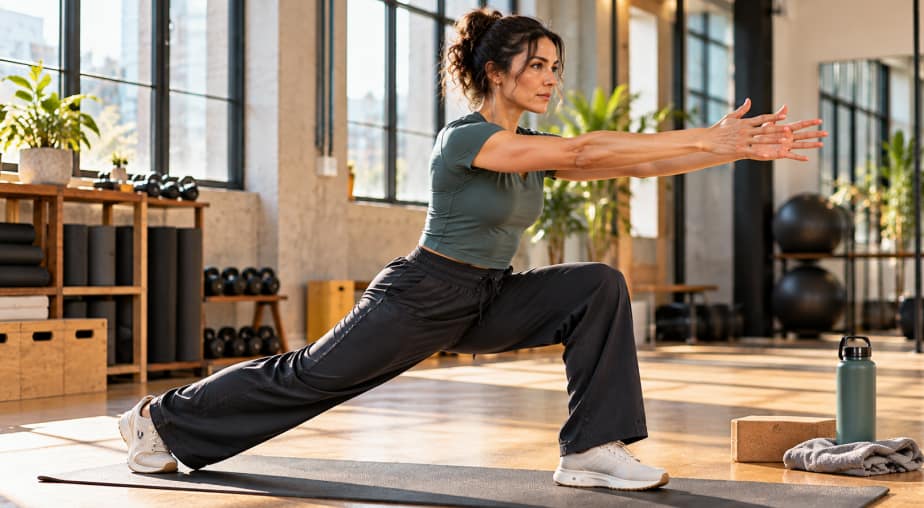
Skin-Tight Clothing Is Not A Requirement For A Serious Workout
The popularity of compression-style activewear has sometimes blurred the distinction between a performance option and a performance requirement.
They are not the same thing.
Athleta’s own Run Club 5-inch shorts, for example, are designed to fit close to the skin and use PowerMove fabric with all-around stretch, quick-drying properties and compression. That type of construction may make sense for a runner who wants a secure fit.
A person going for a low-intensity walk, traveling to a yoga class or completing a mobility session might prioritize entirely different qualities.
That is where the Fall 2026 assortment becomes interesting. The collection does not eliminate fitted clothing; it places those pieces inside a much larger wardrobe.
Consumers can therefore think in terms of fit for purpose rather than assuming that tighter automatically means more athletic.
Clothing Friction Is A Practical Comfort Issue
When apparel rubs repeatedly against skin, discomfort can become more than a styling concern.
MedlinePlus guidance on chafing describes chafing as irritation caused when skin rubs against skin, clothing or another material. Its guidance recommends choosing clothing appropriate for the activity and keeping garments clean and dry when possible.
The American Academy of Dermatology similarly notes that chafing can occur where clothing repeatedly rubs the body. Its guidance for blister prevention includes choosing appropriate exercise clothing and paying attention when redness, pain or discomfort develops.
Those principles are especially relevant when evaluating activewear.
A garment does not need to be unusually tight to create friction, and a fitted garment that is correctly designed may remain comfortable through an entire workout. Individual fit, seams, moisture and movement patterns all matter.
Persistent irritation, broken skin, unusual pain or symptoms that do not improve should not simply be blamed on leggings or workout clothes. Those concerns are better discussed with an appropriate healthcare professional.
Fall 2026 Is Also Blurring The Line Between Workout And Everyday Clothing
Athleta’s direction reflects a wider change in how activewear is used.
Many consumers no longer maintain completely separate wardrobes for exercise, travel and casual daily activities.
The September 18 USA TODAY feature described Athleta’s assortment specifically around this crossover, presenting pieces for morning wellness classes, meetings, weekend trips and errands. The earlier August collection coverage similarly positioned the Wilder Run Collection and Fabric Shop around performance fabrics combined with pleating, textured materials and layering potential.
Athleta’s September 15 partnership with the Golden State Valkyries provides another example. The San Francisco-based brand became the team’s official off-court apparel partner and created an Off-Court Edit modeled by guard Veronica Burton, explicitly connecting athletic culture with performance-lifestyle apparel away from competition. Athleta and the Golden State Valkyries also planned a Chase Center activation for September 18.
The significance for everyday shoppers is straightforward: activewear companies increasingly expect their clothes to function across more than one setting.
How To Choose Activewear Without Defaulting To The Tightest Fit
The broader range of Fall 2026 silhouettes gives shoppers more room to prioritize personal comfort.
Before buying, consider:
- Activity: Running, Pilates, lifting, walking and travel place different demands on clothing.
- Movement: Test sitting, bending, reaching, lunging and walking rather than evaluating fit while standing still.
- Fabric: Look for stretch, breathability and moisture management appropriate to the activity.
- Seams and waistbands: These should remain secure without creating distracting pressure or repeated rubbing.
- Coverage and compression: Choose the amount that feels comfortable rather than assuming more compression is automatically better.
- All-day use: If the garment will remain on after a workout, consider how it feels during sitting, commuting and everyday movement.
This is also where body-neutral shopping becomes useful. If one cut consistently feels uncomfortable, the answer is not necessarily that a person’s body needs to change. A different rise, inseam, fabric, seam layout or overall silhouette may simply work better.
Activewear Is Becoming Less About One Ideal Silhouette
Athleta’s Fall 2026 assortment does not represent the end of leggings, fitted shorts or compression apparel. Those garments remain important parts of performance clothing and can work extremely well when they suit the activity and wearer.
What is changing is the range of acceptable alternatives.
Joggers, barrel-leg pants, skorts, dresses, lightweight jackets, layering tops and relaxed performance pieces are now occupying more space alongside traditional studio and gym clothing.
That creates a healthier way to think about fitness apparel: not as clothing that forces every body into the same visual formula, but as equipment and everyday clothing that should support movement comfortably.
For shoppers, the most useful question is therefore becoming less about whether an outfit looks sufficiently “athletic” and more about whether the fabric, construction and fit actually work for the activity ahead.
Athleta’s Fall 2026 direction suggests the activewear industry is increasingly designing for that broader definition of movement—and for wardrobes that continue functioning long after the workout ends.