

Here’s a cosmic joke: the same leggings that help you channel warrior pose might be declaring war on ecosystems. The fitness apparel industry now flexes a $366 billion valuation – up 151% in search interest. It sheds microplastics like dead skin cells. We’ve created Lululemon’s answer to the plastic straw crisis.
Bamboo-based brand Boody harvests rainwater to dye their best workout leggings. Girlfriend Collective turns 25 recycled bottles into one pair of compression tights. But can these eco-friendly sports brands outpace an industry hooked on polyester? It’s like trying to run a marathon in flip-flops.
The stats sting worse than post-Pilates DOMS: 35% of ocean microplastics now come from synthetic fabrics. Yet sustainable activewear searches grew faster than a CrossFit newbie’s biceps last year. Are we witnessing greenwashing in motion, or actual progress?
This isn’t about guilt-tripping your closet. It’s about asking if downward dog can coexist with rising CO2 levels. Can we stretch toward solutions without snapping the planet’s limits? Spoiler: The answer involves more than just buying organic cotton sports bras.
Why Go Eco?
Choosing sustainable activewear is more than just a trend. It’s a necessity. Think about it: 80% of fitness brands now use recycled polyester. This growth is bigger than many CrossFit enthusiasts’ biceps have gotten in years.
But does recycled plastic in your leggings really make a difference? Let’s look at Girlfriend Collective’s sports bras. Each one uses 23 discarded water bottles. Brands like Tripulse use TENCEL™, made from trees, aligning with real environmental goals, not just green filters.
Then there are the fake promises of “compression benefits”. These brands are like diet soda, all hype and no substance. Patagonia donates 1% of sales to the environment. Pact offsets emissions, showing real commitment.
- 23 plastic bottles = 1 sports bra (Girlfriend Collective)
- 5,000+ tons carbon neutralized annually (Pact)
- 78% faster decomposition vs. synthetic blends (TENCEL™)
Does your workout gear sweat climate anxiety? When your leggings last longer than the Great Barrier Reef, we have big problems. Eco-friendly gear now performs like Olympic athletes. It’s not just about compression; it’s about saving marine life too.
“Greenwashing in activewear is like doing burpees on a yoga mat – everyone sees the effort, nobody’s fooled by the results.”
Why choose Spandex that harms sea turtles? Your yoga practice deserves better than petroleum-based polyester. The revolution is here, with carbon-neutral gear that could survive anything.
Popular Green Athletic Wear Brands
Choosing workout gear today is like voting in the Hunger Games of sustainability. The arena is your gym bag, and everyone wears bamboo fiber. We’ll look at eight brands making a statement with their eco-friendly gear, starting with waistbands that last through burpees and carbon audits.
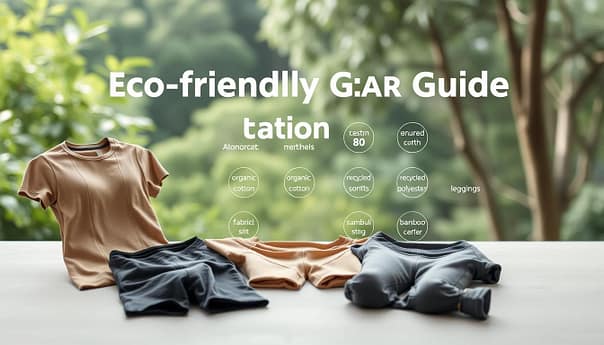
The Great Waistband Whiskey Tasting
We studied waistband engineering like wine experts taste Bordeaux. Wolven’s recycled plastic designs are like ocean brine, while Satva’s organic cotton is smooth like vanilla. But there’s a $49 pair that’s a brunch mimosa nightmare – let’s just say it’s not good.
| Brand | Waistband Tech | Material Wizardry | Snark Rating |
|---|---|---|---|
| PANGAIA | Peppermint-infused grip | Food waste fibers | ⭐️⭐️⭐️⭐️ (Hipster-approved) |
| Girlfriend Collective | SA8000-certified compression | 25 recycled bottles/pair | ⭐️⭐️⭐️⭐️⭐️ (No greenwashing detected) |
| Definite Articles | Biodegradable seams | Algae-based dye | ⭐️⭐️⭐️ (Your burpees won’t outlive these) |
Compression Gear for Planet Crushers
Stretchery’s anti-slip headbands support coral reef projects. They have a secret: 48% less microplastic shedding than others. Satva’s organic cotton compression tights make your quads look great while being eco-friendly.
“Sustainable activewear shouldn’t require a PhD in textile recycling to understand.”
- Wolven removes 1lb ocean plastic per purchase
- PANGAIA’s food waste fibers biodegrade in 24 months
- Stretchery’s dye process uses 93% less water
Product Materials & Certifications
Let’s play fabric detective. Your gym clothes are more than just stretchy rags. They’re secret agents in a battle for sustainability. Today, we’ll uncover the secrets of fabric science and certifications without falling for tricks.
Sweat-Wicking Fabric Breakdown
Polyester claims to be moisture-wicking, but it’s hiding a secret. It sheds microplastics, like a villain in a workout world. Bamboo, on the other hand, is a hero. It’s naturally antibacterial, UV-resistant, and biodegradable.
Vyayama’s eucalyptus Tencel is a game-changer. It breathes like a zen garden and wicks moisture like a waterfall. Proyog’s HYPERBREATH™ tech is like built-in AC for your workout. It’s like saying “Namaste dry,” for your downward dog pose.
Certification Decoder Ring
Not all eco-labels are created equal. Let’s look at the Avengers of sustainability certifications:
| Certification | Superpower | Kryptonite |
|---|---|---|
| Oeko-Tex | Blocks 300+ toxic chemicals | Doesn’t address labor practices |
| GOTS | Covers entire production chain | Costs more than Stark Tower |
Watch out for vegan leather activewear. It’s a mix of two worlds that don’t belong together. Indigo Luna’s plant dyes offer true color without chemicals. As standards evolve, your gym bag becomes a vote for the planet.
Shopping Tips
Finding the right eco-activewear is more than just wanting to do good. It’s about knowing what to do. We’ll look at common gym shopping mistakes and the online vs in-store debate. It’s like a countdown to a sprint, but with clothes.
Avoiding Gym Bag Blunders
Even experienced shoppers make these five big mistakes:
- Support Bra Roulette: Don’t buy without trying it on (jump in the dressing room)
- Size Chart Lies: Use specific brand measurements, not generic ones
- Fabric Amnesia: Remember, recycled polyester shrinks differently than regular plastic
- Greenwashing Gullibility: Check certifications before believing “Eco-Cool” labels
- Climate Math Miscalculations: Even carbon-neutral leggings aren’t green if you drive far to buy them

The battle between online and in-store shopping needs a fair judge. Let’s examine the facts:
| Criteria | Online | In-Store |
|---|---|---|
| Fit Testing | Virtual try-ons (Everlane’s 3D models) | Actual squat tests in changing rooms |
| Environmental Cost | 2.5 lbs CO2 per return shipment | Gas-guzzling store trips |
| Transparency | Summersalt’s bottle-count displays | Hands-on material inspections |
| Impulse Control | Cart abandonment = planet win | Store lighting = dopamine trap |
Here’s a smart trick: Order three sizes of workout clothes, return two, and plant a tree through EcoCart. It’s like a digital match for the right fit.
Remember, every “free return” costs the planet. Shop with the future in mind.
Consumer Impact
Here’s a secret they don’t tell you about “affordable activewear” leggings: They come with hidden votes. You’re not just buying leggings; you’re voting on big issues like deforestation and workers’ rights. It’s time to look closer at what we’re really buying.
The Great Green Equation
Let’s compare prices like Peloton instructors compare abs. Pact’s $35 organic cotton leggings are a better deal than fast fashion’s $10 polyester ones:
| Metric | Pact | Disposable Brand |
|---|---|---|
| Cost per wear (100 washes) | $0.35 | $2.50* |
| Microplastic pollution | 0g | 1.7M fibers |
| Workers paid living wage | ✓ | ✗ |
*Assuming replacements every 4 months
Colorful Standard shows you can be ethical without spending a lot. Their $28 recycled modal tees last longer than many fashion trends. But remember, cheap clothes can come with a high cost, like the freedom of Uighur workers.
The Butterfly Effect of Bicep Curls
Tentree’s efforts to plant 64 million trees are more than just offsetting carbon. They’re starting an eco-arms race. Bhumi’s cotton farmers are now teaching permaculture. Your choices in the gym have a bigger impact than you think:
“Every 100,000 buyers choosing recycled nylon forces Adidas to retool factories. We’ve turned Lululemon’s boardroom into a sustainability think tank.”
Choosing budget gym clothes with a conscience is more than just a purchase. It’s investing in farmers and the planet. Every dollar you spend can make a difference, from supporting sustainable farming to reducing microplastic pollution.
Next time you see Tentree’s tree counter go up, remember: Those trees are a result of 3 million consumers making a change. They’re showing that even our workouts can impact the world.
Conclusion
Stretch your values as far as your hamstrings. The $16.3 billion sustainable activewear market shows eco-friendly sports brands are more than trends. They’re changing what we think of performance gear.
Patagonia adds repair guides to its tags. Stella McCartney uses mushroom leather instead of plastic. These brands turn shopping guides into powerful statements.
Wolven says every purchase removes 10 plastic bottles from oceans. That’s not just shopping; it’s fighting for the planet. Fast fashion leggings fall apart quickly, unlike congressional agreements.
This isn’t about buying more. It’s about buying better. Choose a yoga mat that lasts longer than our planet’s garbage.
Reformation uses deadstock fabrics. Girlfriend Collective makes clothes from recycled water bottles. These choices help fight against disposable culture.
Your credit card is a vote. Every tee from Tentree plants ten trees. TALA’s purchases fund ocean cleanups. These brands fight against fast fashion, and we all reach the same finish line.