

Sports Bra Materials affect more than the hand-feel of a garment on a rack. Fiber choice, knit structure, thickness, elastic recovery, band tension, strap design, and cup construction all shape how a bra feels during movement. The evidence is useful, but it is not a shortcut to one universal answer. A bra that feels steady during treadmill running may feel restrictive in a long studio class. A soft, breathable style may be pleasant for stretching but may not feel controlled enough during repeated jumping.
That is the main tension in sports-bra design: comfort and support are linked, but they are not identical. Support usually comes from a system of garment parts working together, while comfort depends on pressure, heat, moisture, friction, ease of movement, and personal tolerance. Material choice influences each of those factors, yet fit still decides whether the design works on a particular body.
Why Sports Bra Materials Change The Support Equation
A sports bra is not supportive because one fiber name appears on the label. Polyester, nylon, polypropylene, cotton, acetate, and spandex can all behave differently depending on yarn construction, knit type, density, finishing, and how they are placed across the garment. A dense underband can resist stretch more than a lighter cup panel. A high-stretch back can make a bra easier to put on but may reduce the locked-in sensation some wearers prefer for running. A soft lining can reduce abrasion for one person and feel too warm for another.
Support Comes From Structure, Not Fabric Alone
Compression bras generally reduce motion by pressing breast tissue closer to the chest wall. Encapsulation designs use separate cup areas or panels to manage each breast more independently. Many modern bras combine both ideas. The lower band often carries a large share of the load, while straps help manage vertical movement and cup panels influence shaping and containment. Fabric recovery matters because the bra has to stretch with breathing and arm swing, then return toward its starting shape.
This is why a thin, very stretchy fabric can feel comfortable but less stable during high-impact activity, while a thicker or stiffer fabric can feel secure but may raise warmth, pressure, or drying concerns. Research in this area often points to tradeoffs rather than single winners. That fits what many athletes notice in practice: the most secure-feeling bra is not always the easiest to wear for a long session.
Sports Bra Materials And Drying Behavior
A 2025 textile-science study compared fabric parameters relevant to both drying and support. The researchers identified a sports-bra fabric combination that dried in 16 minutes, had air permeability of 312 mm/s, and showed dynamic elastic recovery of 89%, while also maintaining support under the study conditions. The same paper reported that polypropylene-based fabrics had better drying performance than polyester fabrics, while also noting that polypropylene is hydrophobic and has lower wicking ability, so fabric structure and surface behavior still matter. The details are in the 2025 textile study.
Those numbers are useful because they separate several properties that shoppers often blend together. Drying speed is not the same as wicking. Air permeability is not the same as support. Elastic recovery is not the same as softness. A bra can score well on one property and still be wrong for a specific activity or body shape. That is why Sports Bra Materials should be assessed as part of a whole design rather than treated as a single performance claim.
Comfort Depends On Moisture, Pressure, And Duration
Comfort changes over time. A bra that feels fine for ten minutes in a fitting room can feel different after sweat, repeated arm movement, posture changes, or a long commute home. Moisture can increase cling and friction. Pressure that feels reassuring at the start of a workout may feel excessive later. A soft cotton-rich surface may feel pleasant when dry, while a synthetic blend may feel lighter after heavy sweating. These are not moral judgments about fabrics; they are functional tradeoffs.
Why Breathability Claims Need Context
Breathability usually refers to how air moves through a fabric, but the wearer’s experience also depends on sweat movement, drying speed, garment coverage, climate, and workout intensity. A highly supportive front panel may need more density. A mesh back may increase ventilation but cannot do the work of an underband or cup structure. In practical terms, a sports bra can be breathable in one zone and firm in another. That zoning approach may make sense, but only if the bra remains comfortable where pressure is highest.
An adaptive sports-bra design study published in 2025 examined adolescent-focused design and material selection. The study described a bio-based material made of 60% organic cotton and 40% renew acetate, combined with a 15% spandex and 85% nylon yarn for structural strength. The authors discussed breathability, moisture-wicking, durability, and fit considerations for adolescent wearers. The full paper is available through the adaptive design study.
That study is useful for a cautious reason: it shows that inclusivity and material design are connected. Younger wearers, people between conventional sizes, and people who need easier dressing features may not be served by simply scaling down an adult sports bra. Material comfort, stretch recovery, adjustability, and closure placement can all affect whether a bra is usable, not just whether it looks correct on a size chart.
Activity Length Changes The Priority List
For short, high-impact tasks, many wearers prioritize motion control. For longer sessions, garment mass, drying, and pressure tolerance may become more noticeable. A low-weight bra can feel easier over time, but too little structure may feel distracting during running or jumping. A firm bra can feel steady during intervals, but if the band or straps create discomfort, the wearer may adjust posture or avoid wearing it. Neither outcome is ideal from a clothing-design standpoint.
For broader reading on moisture movement in activewear, the related article on sweat-wicking fabrics explains why fiber, knit, finish, and fit all shape comfort. For adjacent material and lifestyle context within the same network, you can explore related wellness topics at ekkonaturals.com.
How To Match Support Level To The Workout
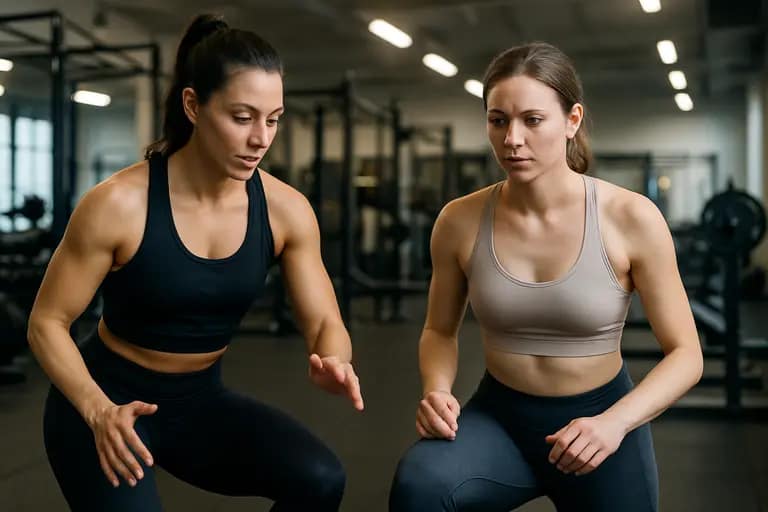
A useful sports-bra decision starts with the movement pattern, not the color, trend, or product name. Low-impact activities such as stretching, Pilates, walking, and some strength sessions may place less demand on bounce control. Running, court sports, dance cardio, and repeated jumping usually place more demand on support. Cycling can sit somewhere in between, depending on posture, road surface, and intensity.
Low-Impact And Studio Sessions
For studio work, the bra needs to allow arm movement, torso rotation, and deep breathing without constant adjustment. Softer fabrics, moderate stretch, and smooth seams may be priorities. A very firm band may not be necessary for every wearer in these settings, though some people still prefer a secure feel. The key is whether the bra stays in place during bending, reaching, and floor work without digging or shifting.
Running, Jumping, And High-Motion Training
For running or high-motion training, support usually depends on a firmer underband, better recovery, controlled cup movement, and straps that do not lengthen excessively under load. Some wearers prefer encapsulation, some prefer compression, and many do best with a hybrid. Material stiffness can help reduce motion, but stiffness can also reduce comfort if pressure is poorly distributed. A high-support label should be treated as a starting point, not proof that the bra will fit well.
- Check the band first: it should feel secure and level without making breathing feel restricted.
- Move before judging: raise arms, twist, bend forward, jog in place, and try controlled hops if appropriate.
- Watch strap behavior: straps should assist support without carrying all the load or sliding repeatedly.
- Assess moisture tolerance: consider whether the fabric feels heavy, clingy, or abrasive as it becomes damp.
- Recheck after washing: elastic recovery and surface feel can change with wear and laundering.
Fit preferences also vary with breast size, torso shape, shoulder sensitivity, skin sensitivity, climate, and activity history. A person who dislikes compression may still need adequate support for running, while a person who likes a locked-in feel may need to avoid excessive pressure during long sessions. Sports Bra Materials can help shape those options, but they do not replace trying the garment through the movements it is meant to support.
Sports Bra Materials Fit Questions For Active Bodies
The most practical way to read a sports-bra label is to connect material information to a movement test. High spandex content may suggest stretch and recovery, but it does not reveal where the stretch sits. Nylon may feel smooth and resilient in some structures. Polyester may dry quickly in some blends. Polypropylene may dry well in certain fabrics while needing smart structure for moisture transport. Cotton-containing blends may feel soft, but their behavior during heavy sweat depends on the full fabric and garment design.
If Sports Bra Materials are being compared for a specific activity, ask these questions: does the bra control motion enough for the highest-impact movement you do, does it allow comfortable breathing, does it dry at an acceptable rate for your climate and session length, and does the band remain supportive without excessive pressure? These questions are more useful than assuming one fiber is always best.
This information is general education about activewear design and fit, not medical advice. If a bra causes persistent pain, numbness, skin breakdown, unusual swelling, breathing discomfort, or symptoms that do not resolve after changing fit or activity, it is reasonable to discuss those concerns with a qualified clinician. You can ask whether the symptoms suggest a fit issue, skin irritation, posture or movement concern, or another factor that should be assessed outside the clothing decision.