

Sustainable fabric innovations shown at the 2026 Functional Fabric Fair events gave activewear designers a clearer view of where performance textiles were heading: bio-based inputs, circular sorting, natural-fiber performance, and smarter trims were all part of the discussion. For gym clothing, that does not mean every new fabric automatically performs better. It means brands now have more material options to test against stretch, recovery, drying, opacity, durability, and care demands.
The Spring 2026 Functional Fabric Fair took place in Portland, Oregon, from April 7 to 9, 2026. It featured more than 250 sustainable-certified suppliers presenting functional fabrics, finishes, trims, accessories, and material technologies for the Spring 2027/28 seasons, according to Textile World. The show’s post-event materials also described a strong push toward bio-based alternatives, high-performance natural fibers, and new fabric constructions and finishes for sustainable materials, as reported in the FFF post-show release.
Why Sustainable Fabric Innovations Mattered In Portland
What The 2026 Fair Signaled
The Portland fair was not a consumer shopping event. It was a sourcing and development environment where mills, fiber suppliers, finish developers, and apparel teams examined materials before they reached finished garments. That distinction matters. A promising fabric swatch can look convincing at a trade show, but activewear still has to survive grading, patterning, repeated wear, laundering, abrasion, sweat exposure, and movement across many body types.
The strongest signal from the April 2026 event was not that one textile solved every activewear problem. It was that sustainable fabric innovations were moving into core performance categories rather than staying limited to lifestyle apparel. The research notes point to bio-based alternatives, high-performance natural fibers, textile-to-textile recycling, functional finishes, trims, and accessories. For activewear, that combination matters because a garment is rarely just one fiber. Leggings, sports bras, jackets, and training tops often depend on stretch yarns, face fabrics, linings, elastics, thread, prints, coatings, and closures.
Sustainable Fabric Innovations And Bio-Based Stretch
Stretch remains one of the hardest areas for sustainability claims because activewear fit depends heavily on elastane or similar stretch systems. The research notes from 2026 pointed to growing interest in bio-based spandex and bio-based PTMEG-type inputs, including sugarcane-derived and second-generation materials presented by suppliers at Functional Fabric Fair events. Those developments suggest that the industry is trying to reduce reliance on conventional fossil-based stretch chemistry while preserving the recovery and comfort activewear requires.
That is an important direction, but it should be read carefully. A bio-based ingredient does not automatically tell a shopper how a garment will fit after fifty washes, whether a waistband will roll during squats, or whether a fabric will become sheer under deep stretch. Fiber source is one variable. Knit structure, yarn quality, finishing, pattern engineering, seam placement, and care behavior also affect performance.
For additional insights on sustainable practices in textiles, visit cpcwa.org to explore related site resources.
What Bio-Based And Natural Fibers Mean For Fit
Stretch Recovery Still Has To Be Tested
The activewear question is not whether bio-based materials sound promising. It is whether the final fabric provides enough extension and recovery for the intended movement. Pilates leggings, running tights, cycling shorts, and low-compression lounge sets do not need identical stretch profiles. A soft, low-power stretch may feel better for mobility work or all-day wear, while a firmer fabric may be preferred for higher-impact or highly repetitive movement.
The research notes mention new functional fibers designed for softer stretch, size inclusivity, color consistency, moisture control, and cotton-like hand feel. Those claims point toward an activewear category that is becoming more specific about fit experience. Low-power stretch may reduce the sensation of tightness for some wearers, while dyeable stretch components may help reduce visible contrast where elastic yarns show through. Still, those are design opportunities, not guaranteed outcomes in every finished garment.
Natural Performance Needs A Specific Use Case
The Spring 2026 fair also emphasized high-performance natural fibers. In activewear, natural fibers can be appealing for softness, hand feel, and comfort in lower-output sessions. Yet the activity matters. A fabric that feels pleasant during walking, mobility work, or warmups may not behave the same way during prolonged indoor cycling, hot-weather running, or high-sweat interval training.
This is where fabric construction becomes as important as fiber identity. A natural-fiber blend can be engineered with stretch yarns, finishes, and knit structures that change drying, cling, opacity, and hand feel. But a natural label alone does not prove suitability for every workout. Brands should test the fabric in the movement category they intend to sell it for, and shoppers should judge the finished garment rather than the fiber claim by itself.
Textile-To-Textile Recycling Is A Design Constraint
Sorting Comes Before Recycling
One major Spring 2026 theme was textile-to-textile recycling, especially the early stages of circularity: collecting and sorting used textiles so they can be assessed for possible recycling into new fibers. That point is practical. Recycling does not begin at the shredder or chemical processing stage. It begins with whether garments can be identified, separated, and routed into a system that can use them.
Activewear complicates that process because garments often combine multiple fibers and components. A typical training tight may include polyester or nylon, elastane, dyed yarns, printed branding, sewn-in labels, bonded panels, silicone grips, trims, and elastic waist constructions. Each feature may improve function, fit, or appearance, but it can also make end-of-use sorting harder.
Circular Design May Change Fabric Choices
For activewear designers, textile-to-textile recycling creates a useful tension. A garment needs enough complexity to perform, but not so much that it becomes difficult to recover. Mono-material or simplified constructions may help recycling pathways, but they still have to meet stretch, opacity, support, and durability requirements. The research notes do not prove that the industry has solved this problem. They show that circular design was being treated as a sourcing concern, not only as a marketing phrase.
For shoppers, the practical lesson is to treat circularity claims as questions rather than proof. Useful questions include whether the brand identifies fiber content clearly, whether it offers care guidance, whether trims and components are disclosed, and whether any take-back or recycling claim explains what happens after collection. Related community and wellness resources in the same network can be found at cpcwa.org.
Smart Functions Need Careful Activewear Testing
Visibility And Heated Features Add New Variables
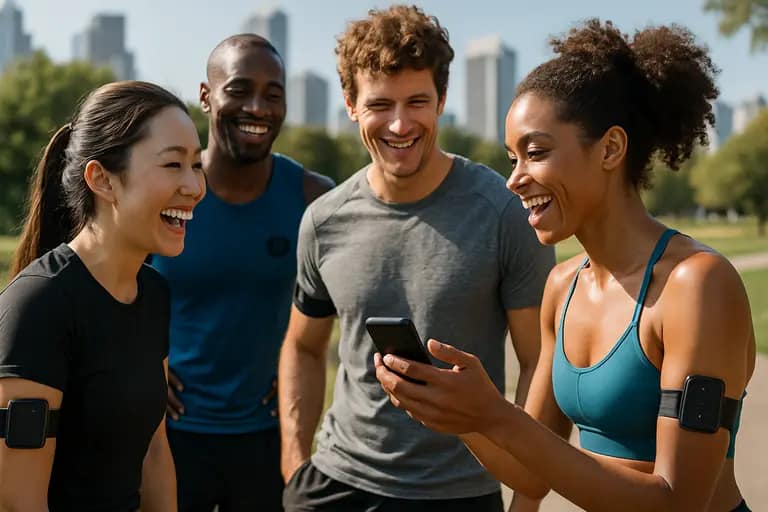
The research notes from Spring 2026 included supplier presentations involving electroluminescent fibers for night-use gear and heated apparel using washable, battery-powered systems. These ideas are relevant to running layers, outdoor training gear, commuter apparel, and cold-weather activewear. They also introduce design questions that ordinary knit fabrics do not face.
Visibility features may be useful in low-light apparel design, but they do not remove the need for reflective placement, garment fit, local conditions, and user judgment. Heated features may increase comfort in some cold-use contexts, but they add batteries, controls, wiring, laundering requirements, and care instructions. None of those features should be treated as a substitute for appropriate clothing choices, environmental awareness, or professional guidance where health or cold exposure concerns exist.
Wash Durability Is More Than A Claim
Supplier claims about wash testing can be encouraging, especially for activewear that is laundered frequently. Still, a wash-cycle number for a component does not tell the full story of a finished garment. The whole product must be assessed: seams, bonding, battery pockets, stretch recovery, fabric hand, colorfastness, and care-label compliance. A smart textile that survives lab washing in one format may perform differently once it is cut, sewn, worn, stretched, sweated in, and washed in home conditions.
That does not make smart textile development unhelpful. It means activewear brands should be cautious about translating component performance into garment-level promises. The more complex the textile system, the more important care testing becomes.
How Activewear Buyers Should Read The Claims
Performance And Sustainability Are Separate Questions
The activewear market is moving toward materials that attempt to combine performance with lower-impact inputs or circular design. That is a meaningful shift. It does not erase the need to ask two separate questions: what is the sustainability attribute, and how does the fabric perform in use?
A fabric can be bio-based and still feel too warm for a workout. A recycled fabric can be durable or fragile depending on fiber quality and construction. A natural-fiber blend can be comfortable but slow to dry in some uses. A highly elastic fabric can support movement but still lose recovery if the garment is poorly engineered. Sustainable fabric innovations expand the design toolkit, but the finished product still has to match the activity.
A Practical Reading List For Product Pages
- Fiber source: Look for clear language such as bio-based, recycled, natural, or blended content, and whether the percentage is stated.
- Stretch role: Check whether the fabric is described as low compression, medium compression, high stretch, or supportive, then test movement if possible.
- Care limits: Heated, coated, bonded, or smart textiles may need more specific washing and drying care.
- End-of-use claim: Recycling and circularity claims are stronger when they explain collection, sorting, and next steps.
- Activity match: A studio fabric, running fabric, and warmup layer should not be judged by the same criteria.
Sustainable Fabric Innovations In Activewear
The 2026 Functional Fabric Fair events showed that sustainable fabric innovations were becoming more activewear-specific. The most relevant developments were not limited to one material. They included bio-based stretch chemistry, high-performance natural fibers, recycling infrastructure, functional finishes, visibility concepts, and smart textile applications.
For activewear, the key takeaway is measured optimism. Sustainability features may reduce reliance on some conventional inputs or improve circular design options, but they do not automatically prove better fit, better comfort, or longer wear. The most credible garments will be the ones that connect material claims to the real demands of movement: stretch recovery, opacity, moisture behavior, pressure comfort, laundering, and durability.
If a garment causes persistent irritation, pain, numbness, breathing discomfort from excessive pressure, or other unusual symptoms, fabric selection alone may not explain the issue. Discuss persistent concerns with a qualified clinician, especially if symptoms continue after changing fit, size, or garment type.