

You finish a grueling workout, peel off your damp gear, and toss it into a laundry basket. Leaving wet workout clothes to sit creates an immediate chemical problem. Human sweat carries heavy concentrations of lipids, salts, and proteins. When these bodily fluids dry inside the tight weave of synthetic apparel, they act like an adhesive, bonding bacteria directly to the polymer chains. Washing these garments requires specific chemistry, not just a standard spin cycle.
Sweat and Synthetic Yarns
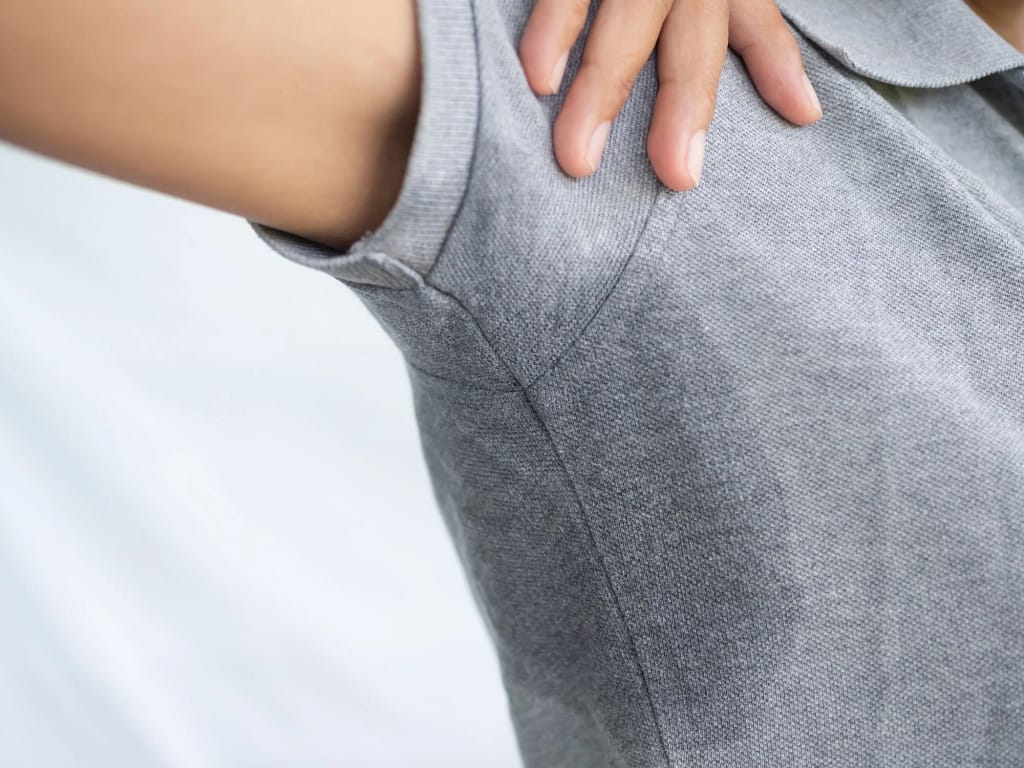
High-performance fabrics like polyester and nylon possess an oleophilic nature. This means they naturally attract and absorb oils. These materials excel at pulling water away from your skin, but they aggressively trap the oily sebum produced by your apocrine sweat glands. Standard grocery store detergents struggle to penetrate this synthetic matrix. They often leave the lipids behind, which feeds odor-causing bacteria and makes your garments smell sour the moment they warm up against your body.
Temperature Control and Enzyme Detergents
Heat acts as the primary enemy of athletic apparel. Washing your gear in hot water softens the polyurethane threads that give your leggings and sports bras their stretch. Over time, this heat exposure snaps the microscopic elastane fibers, leaving you with sagging, misshapen clothing. You must run your machine on a cold water cycle.
To compensate for the lack of heat, you need to upgrade your laundry chemistry. Enzyme-based sport detergents are mandatory for this process. These specialized formulas contain proteases and lipases, which actively digest the proteins and fats trapped in the fabric. Chemists studying laundry enzyme efficacy confirm that these biological catalysts break down stubborn body soils far better than traditional soap, even in water temperatures below 30 degrees Celsius.
The Danger of Chemical Additives
Adding liquid fabric softener to your wash cycle ruins technical athletic wear instantly. Softeners contain cationic surfactants that leave a waxy, hydrophobic coating across the surface of the fibers. This artificial barrier physically clogs the micro-pores responsible for moisture-wicking. This film seals in the bacteria and trapped sweat, accelerating the odor problem. You can maintain the structural integrity of your gear by completely eliminating these additives and reviewing proper activewear care protocols. A simple splash of white vinegar in the rinse cycle acts as a safe, natural deodorizer without leaving a destructive chemical film.
Auditing Your Laundry Protocols
Evaluating your current washing habits prevents premature material failure. The table below identifies exactly how different laundry variables interact with synthetic workout clothing.
| Laundry Variable | Standard Habit (Avoid) | Correct Protocol (Adopt) |
| Water Temperature | Hot or warm cycles | Cold water exclusively |
| Detergent Choice | Heavy-duty commercial soap | Enzyme-based sport detergent |
| Chemical Additives | Liquid fabric softeners | White vinegar in the rinse cycle |
| Drying Method | High heat in the tumble dryer | Flat air-drying in the shade |
Treating your dirty gym clothes like standard cotton laundry destroys the technical engineering you paid for. Adjusting your water temperature and upgrading your detergent guarantees your performance gear stays supportive, odor-free, and ready for your next training session.