
Leggings Fit Guide: How Leggings Should Fit for Every Workout
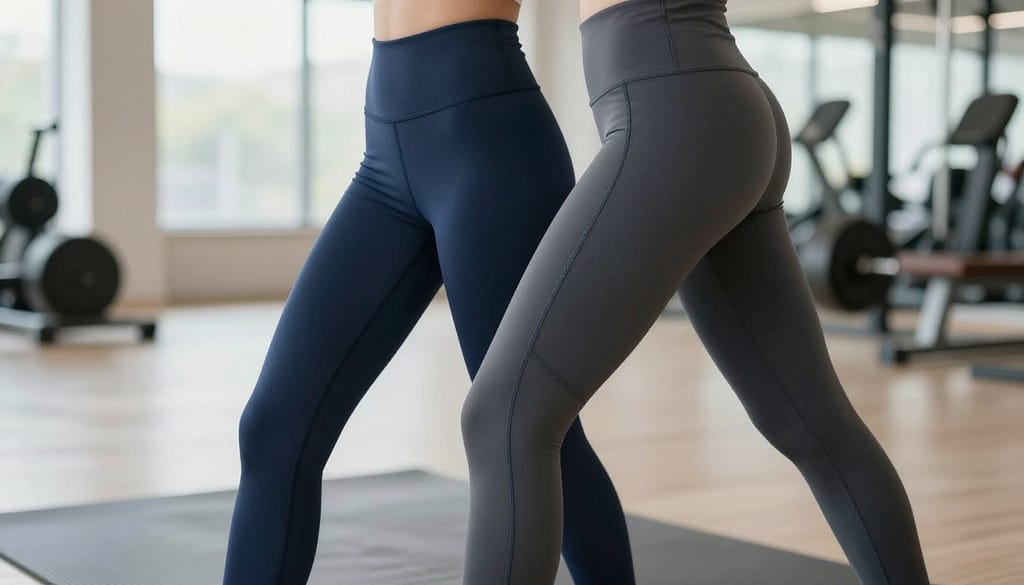
Leggings are one of the most versatile pieces of workout clothing, but finding the right fit can be surprisingly difficult. Fabric stretch, compression level, waistband design, and garment construction all influence how leggings feel during movement.
A well-fitting pair of leggings should provide support without restricting motion, remain opaque during exercise, and stay comfortably in place during workouts.
This guide explains how leggings should fit, what materials perform best, and how to choose leggings for different types of training.
Why Leggings Fit Matters
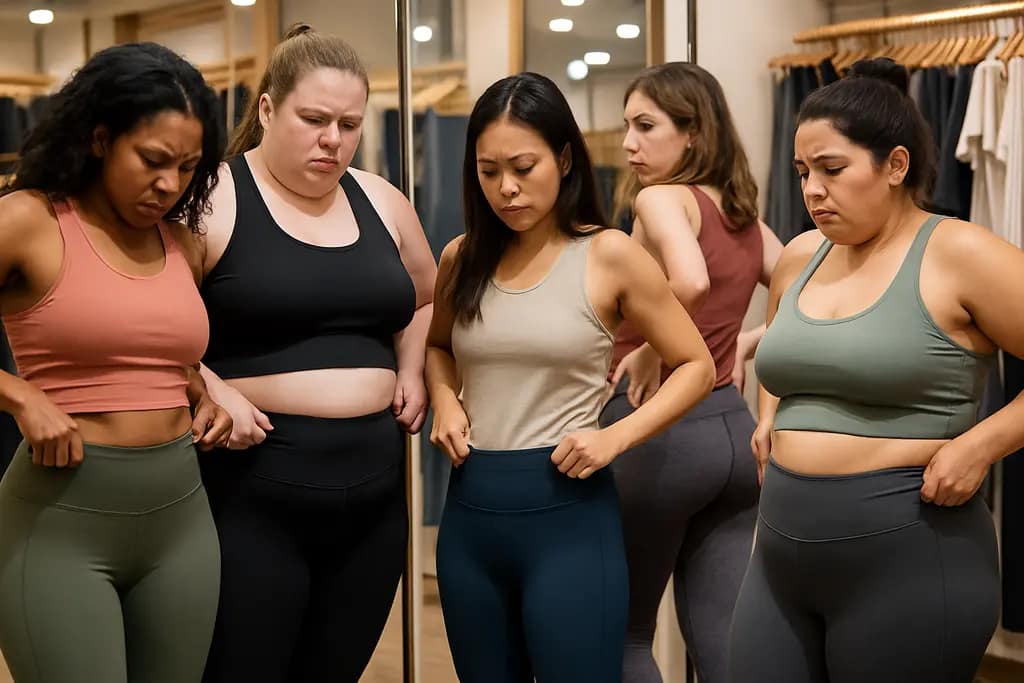
Properly fitted leggings improve comfort and performance during workouts. Poorly fitted leggings can cause issues such as rolling waistbands, restricted mobility, or transparency during stretching movements.
Several factors influence leggings fit:
- fabric composition
- compression level
- seam construction
- waistband design
- garment sizing
Understanding these elements makes it easier to choose workout clothing that performs well across different types of exercise.
Common Leggings Fit Problems
Many athletes experience similar issues with workout leggings.
Common problems include:
- Waistbands rolling during workouts
- Fabric becoming see-through when stretched
- Leggings sliding down while running
- Chafing during long workouts
- Compression that feels too restrictive
These issues are often caused by incorrect sizing, poor fabric construction, or inappropriate leggings for a specific activity.
Leggings Materials and Fabric Stretch
Most leggings use blends of nylon, polyester, and spandex. Each fabric contributes different performance characteristics.
| Fabric | Key Benefit | Common Use |
|---|---|---|
| Nylon | Soft feel, strong durability | Premium leggings |
| Polyester | Moisture resistance | High-sweat workouts |
| Spandex | Stretch and compression | All performance leggings |
Fabric blends determine how leggings stretch, recover their shape, and manage sweat during exercise.
Compression vs Standard Leggings
Compression leggings apply pressure to muscles and are often used during high-intensity training.
Benefits may include:
- improved muscle support
- reduced vibration during running
- increased circulation during workouts
Standard leggings focus more on comfort and flexibility rather than muscle compression.
Choosing between these options depends largely on workout type and personal comfort preferences.
Seamless vs Seamed Leggings
Leggings construction affects both comfort and durability.
Seamless leggings
fewer seams
smoother feel against skin
often lighter weight
Seamed leggings
stronger structure
better durability
more supportive compression
Both designs can work well depending on the activity and body type.
Choosing Leggings for Different Workouts
Different workouts place different demands on clothing.
| Workout Type | Recommended Leggings |
|---|---|
| Running | Compression leggings with strong waistband |
| Yoga | Stretch-focused seamless leggings |
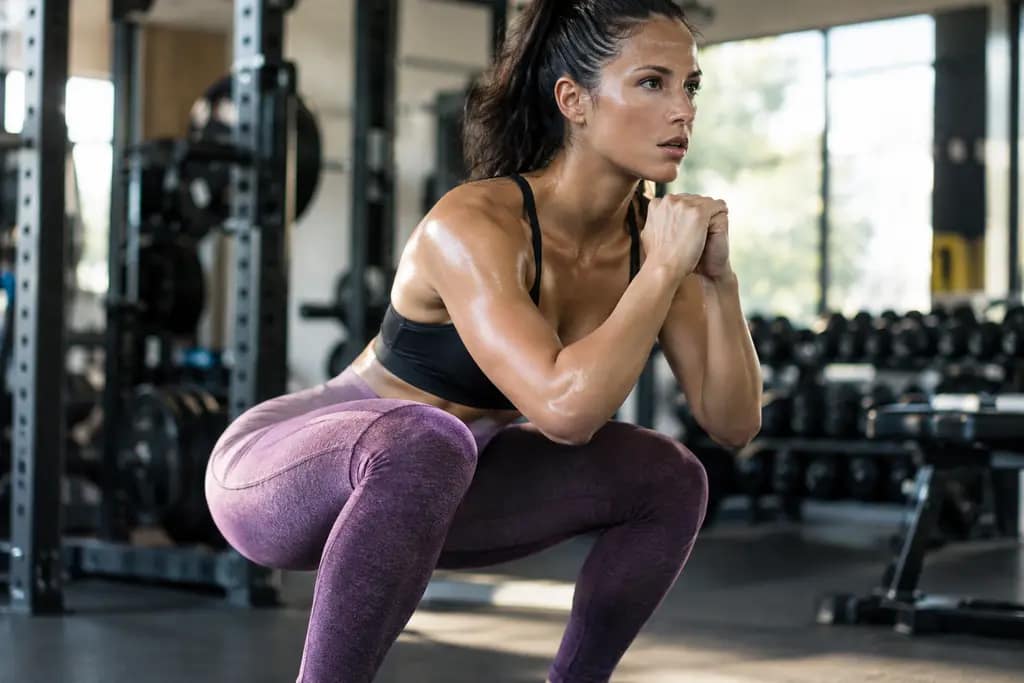
| Strength Training | Durable fabric with squat-proof opacity |
| HIIT | Moisture-wicking compression blends |
Choosing leggings designed for the activity can improve comfort and reduce garment wear.
Related Leggings Guides
-
Breathable Workout Fabrics For HIIT Leggings

Breathable workout fabrics may improve comfort in high-intensity leggings, but fabric structure, fit, and activity type still matter.
-
Sustainable Activewear Survey Insights For Bottoms
What sustainable activewear survey data says about leggings, bottoms, material claims, fit priorities, and responsible brand practices.
-
Inclusive Activewear Sizing Gaps Beyond 3XL
Inclusive activewear sizing still thins out above 3XL; here is what recent findings suggest about fit, prints, grading, and trust.
-
GLP-1 Activewear Sizing Shifts In Bottoms
GLP-1 Activewear Sizing is reshaping leggings demand as shoppers report size changes, wardrobe refreshes, and fit uncertainty.
-
Leggings Design Innovations Reshape Fit Choices
Leggings design innovations are shifting fit, fabric blends, pockets, sustainability, and style as brands respond to broader demand.
-
Brown Leggings Balance Style And Performance
Brown Leggings are rising as activewear shifts toward warm color, secure fit, and practical styling without treating any fabric as magic.

Caring for Leggings Properly
Leggings Fit Guide Summary
Choosing leggings that fit correctly involves balancing compression, flexibility, durability, and comfort. Understanding how fabrics behave and how garments are constructed helps athletes select workout clothing that performs well across different activities.
As new materials and designs continue to evolve in the activewear industry, learning the basics of leggings fit remains one of the best ways to improve comfort and performance during exercise.